After two months in Silicon Valley, one of the most common questions I hear is: "Should I apply to an accelerator? Which one?"
I've noticed that Taiwanese founders often imagine accelerators as simply "getting some funding, taking a course, and pitching at Demo Day." But once you're inside this ecosystem, you realize accelerators are no longer just "a program"—they're a business, and each one has a different business model, takes different things, and gives you different things.
This piece draws from my observations in Silicon Valley to map out what's happening in the accelerator industry.
#The Essence of Accelerators: Trading Equity for Time
Let me be clear: accelerators are not charities.
The core transaction is trading capital, networks, and methodology for a stake in your company. Y Combinator's standard terms, for example, are $500K investment, where $125K exchanges for 7% equity, and the remaining $375K is invested via SAFE. For founders, what you're really buying is "time"—compressing what might have taken two years to build investor relationships, product methodology, and market credibility into three months.
Accelerators don't sell money, they sell speed. And speed, in the startup world, is survival rate.
So before applying, don't ask yourself "Can I get in?" Ask instead "Is speed really what I need most right now?"
#Three Mainstream Models
From my conversations in Silicon Valley, I've broadly categorized accelerators into three types:
1. Investor-led Accelerators
Examples: YC, Techstars, 500 Global. Core focus on investment returns, valuing teams and market size, with Demo Day as the climax. Benefits include strong brand backing and extensive alumni networks; the cost is equity dilution and an almost ruthless pace.
2. Corporate-led Accelerators
Example: Plug and Play. Their value lies in connecting you with large enterprises. Many programs don't require equity; instead, they give startups opportunities to run POCs (proof of concepts) with corporate partners. Especially valuable for B2B teams looking to break into enterprise supply chains.
3. Community and Government-backed Accelerators
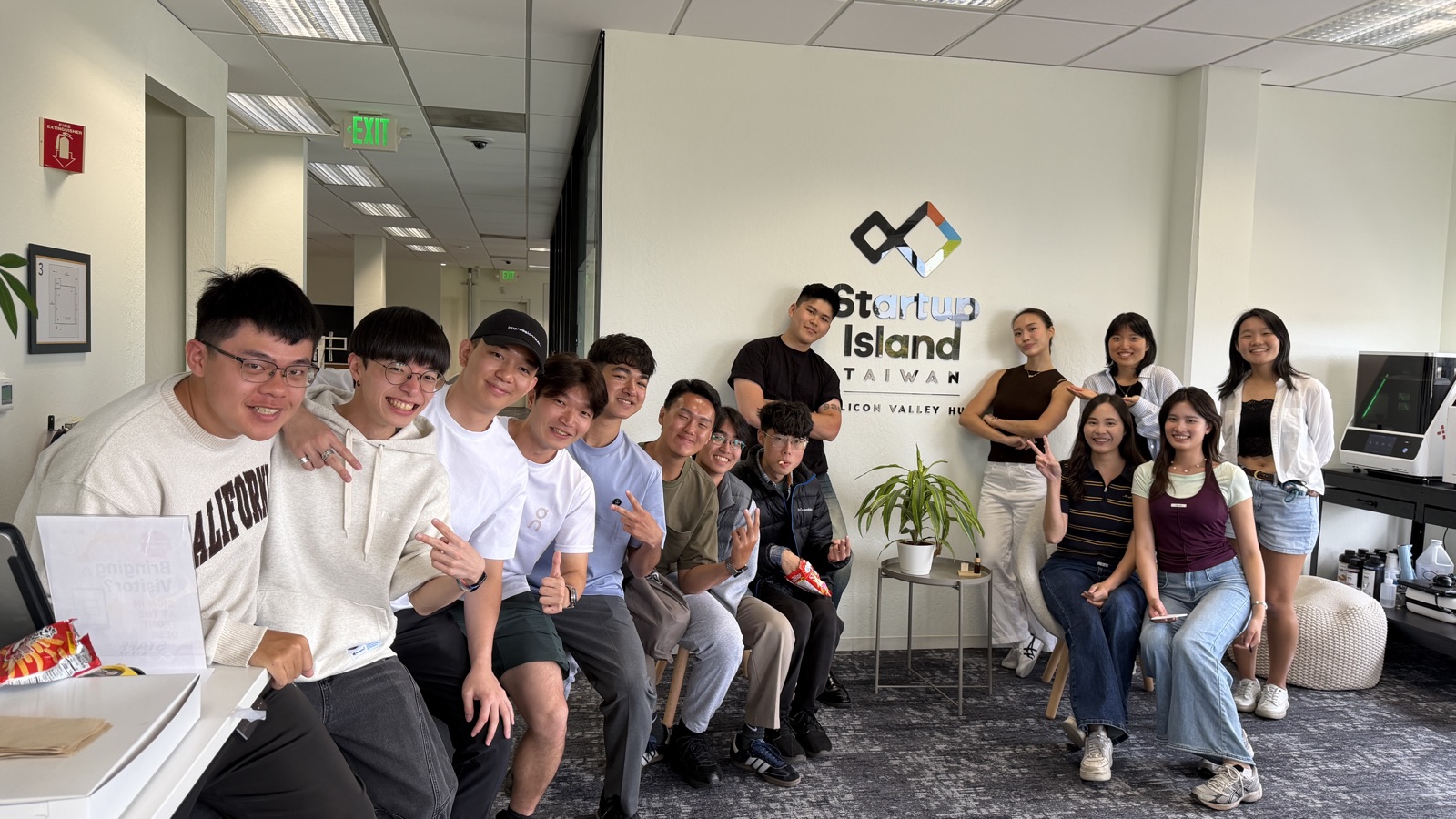
Examples include Startup Island Taiwan - Silicon Valley Hub and Formosa Founders House, which are founder residences and networking spaces. They don't necessarily invest directly, but provide landing spots, local networks, and "the first person willing to help you." For Taiwanese teams just arriving in Silicon Valley with no idea who to approach, this is often the most critical first step.

#Three Transformations Happening Now
Shift One: AI Makes "Small Teams" Mainstream
Accelerators used to prefer complete teams. Now two or three people with AI tools can ship a revenue-generating product in weeks. At Formosa Founders House, I met a CMU team attending YC events—college-aged, already using AI to run full product validation. The barrier has dropped, but competition exploded—"making it work" is no longer differentiation; "selling it" is.
Shift Two: More Batches, Faster Pace
YC went from two batches per year to four. This means accelerators themselves are accelerating. Applications are no longer a once-a-year exam; you can apply whenever you're ready. For founders, the lesson is: don't wait for the perfect moment—get your product running.
Shift Three: Verticalization and Specialization
Beyond generalist accelerators, more programs focus on single domains: AI, climate tech, biotech, semiconductors. Good news for Taiwanese teams—if your edge is hardware, supply chains, or semiconductors, finding a vertical accelerator in your niche is more effective than squeezing into a generalist halo.
#Taiwanese Founders' Blind Spots
From conversations with mentors and investors, the most common feedback isn't "your tech isn't good enough," but:
- Storytelling ability: Taiwanese teams explain their product thoroughly but can't answer "why now, why you?"
- Proactive outreach: Silicon Valley's resources won't come to you. You have to reach out, willing to be rejected.
- Treating accelerators as the finish line: Getting in isn't success. Fundraising and growth after Demo Day is the real test.
This echoes what I wrote before: "Why Your Willingness Is Your Real Value?"—in Silicon Valley, people who reach out first always have more opportunities.
#So, Should You Apply?
My advice: answer three questions first:
- What do I need most right now: capital, networks, or methodology? If you need funding and methods, investor-led works; if you need corporate customers, corporate-led is direct; if you're just starting, begin with community-based.
- How much equity am I willing to trade for speed? There's no standard answer, but decide before signing.
- Do I have initial market validation? Accelerators accelerate things already moving. If your product is still theoretical, even the best accelerator can't push it.
Accelerators are like high-speed trains—they get you to your destination faster. But first, you need to know where you're going.
In my two months in Silicon Valley, the most successful founders aren't necessarily the ones who boarded earliest, but the ones most clear about why they're boarding at all.