Media & PR
Ten years of media experience turned into PR and content strategy.
23 entries
ALL ARTICLES →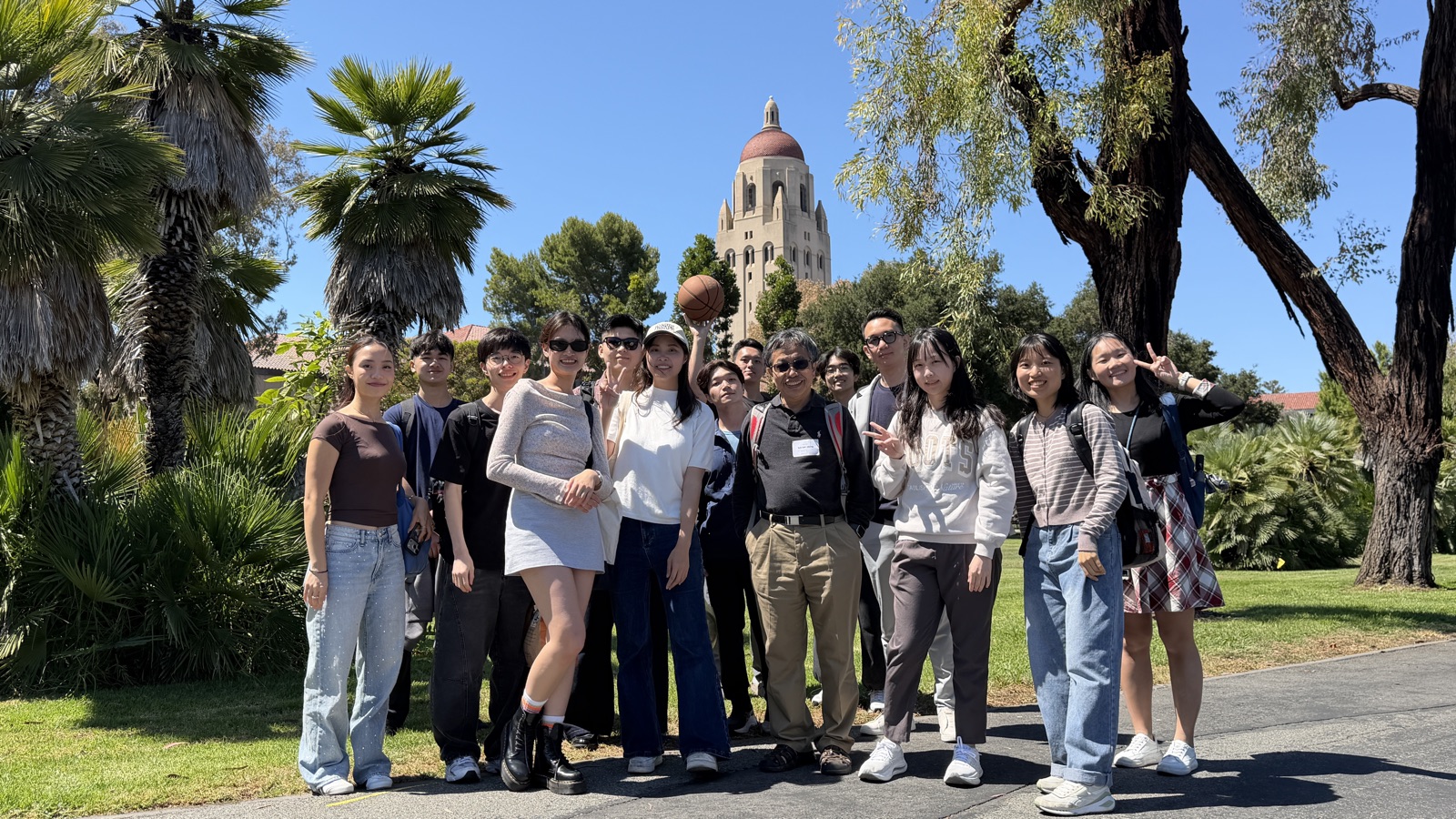
NTU Silicon Valley Entrepreneurship Exploration Program — Week One with Google, Synopsys, Ambarella, and the Silicon Valley Startup Ecosystem
In July 2026, I became a teaching assistant for NTU's Silicon Valley Entrepreneurship Exploration Program, spending two months in Silicon Valley! This is the first time NTU has sent students to Silicon Valley for a seven-week hands-on entrepreneurship exploration. Week one included intensive visits to Google, Synopsys, and Ambarella, along with in-depth exchanges with mentors, industry leaders, and startup founders from the Taiwan entrepreneurship ecosystem in Silicon Valley.
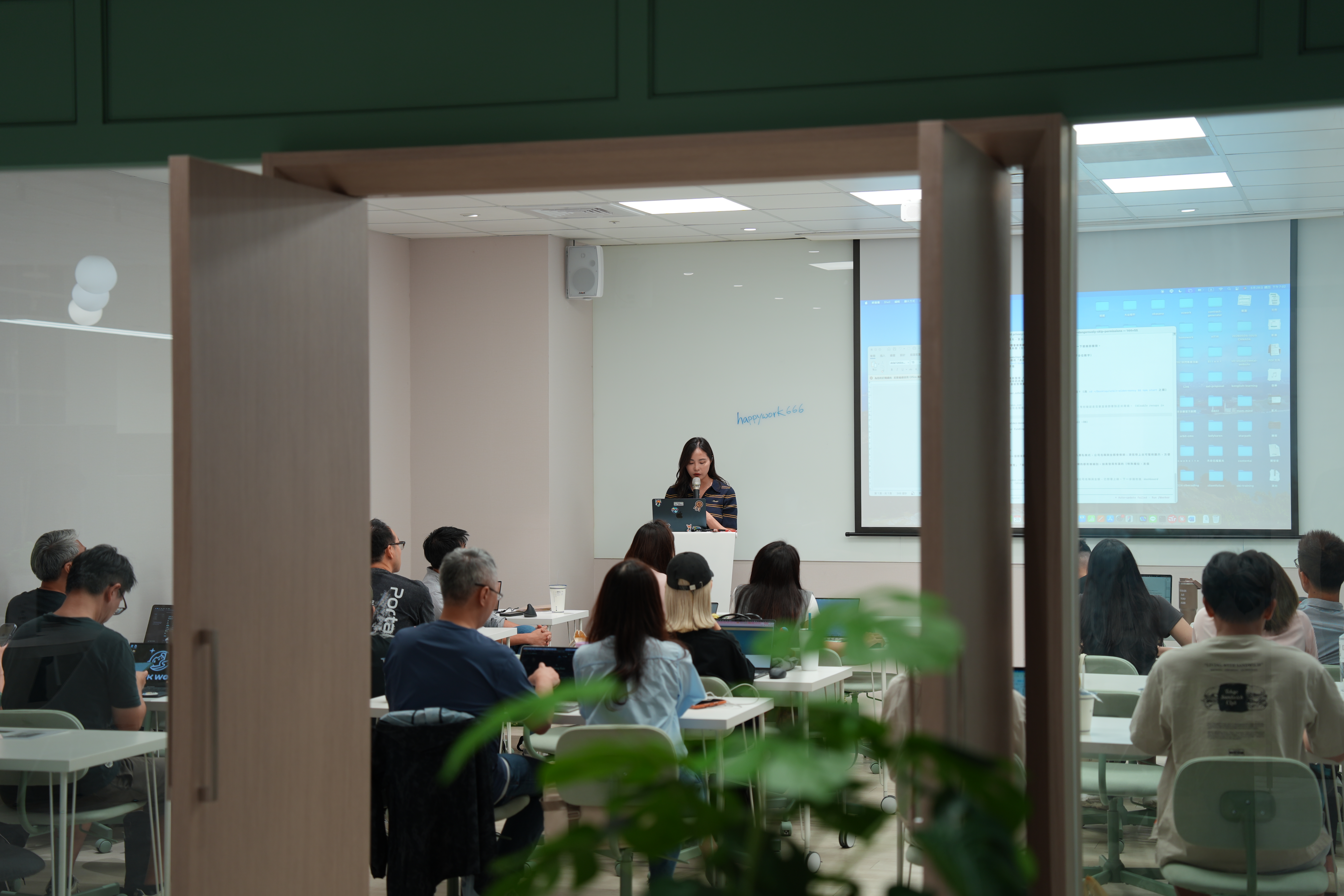
A Liberal Arts CEO's Path to Code | Vibe Coding to Deploy: Hands-On Sharing
Today I finally completed NTU EiMBA's cross-batch vibe coding closed-door sharing! Since learning to deploy in March, our company has built systems for finance, project management, and contracts directly—and more importantly, everyone can be a builder.

Master 8 Must-Read Books for the AI Era! Rakuten Kobo E-books Made Easy~Get 75% Off with Karen's Discount Code
Clients' questions always center on "how to use AI to replace manpower," but after digging deeper, clients don't actually want to eliminate "people"—they want to find talent and business models more beneficial to their enterprises. Thus, technology and AI tools have become the new solution in this trend. To understand these issues and find answers, you can actually discover unchanging insights and case studies from contextual, theory-based books. I recommend 8 great books to you:

From Efficient Writing to AI Applications! Create Images, Videos, and Sound with Text—Welcome to a Beautiful Era of Creation!
2023/11/16 12:00 My second course with the Fresh Time Book team, "The Age of AI Applications," has officially launched its fundraising campaign! "The Age of AI Applications…
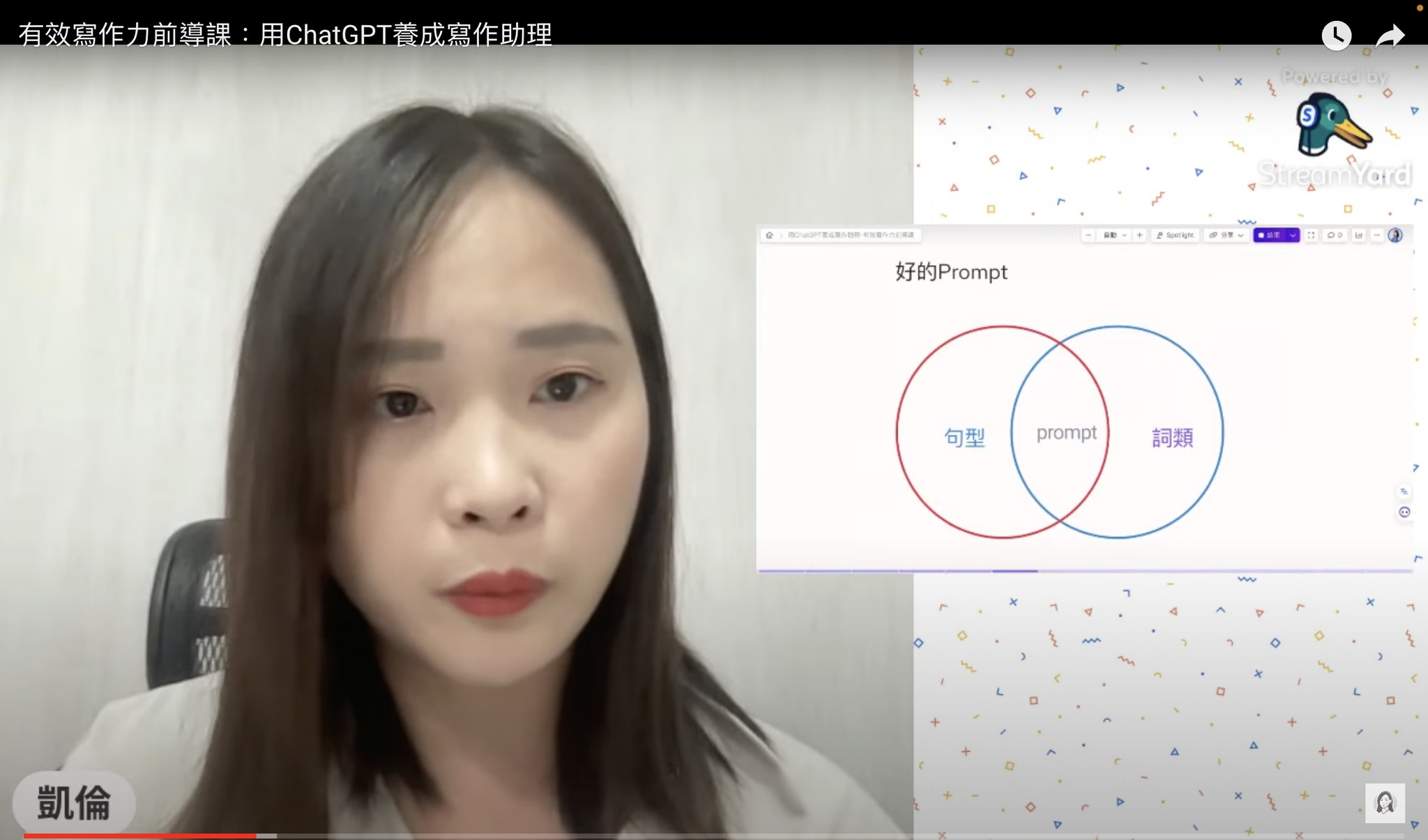
The AI Application Era is Here! Give Instructions Like You're Writing~DALL.E 3 & GAMMA Usage Tips|How Do I Expose Myself to New Tools?
Hi, I'm Karen. On 10/17 I hosted an AI application live stream on YouTube with over 120 friends online! We also established an [AI Application Exchange Group]...
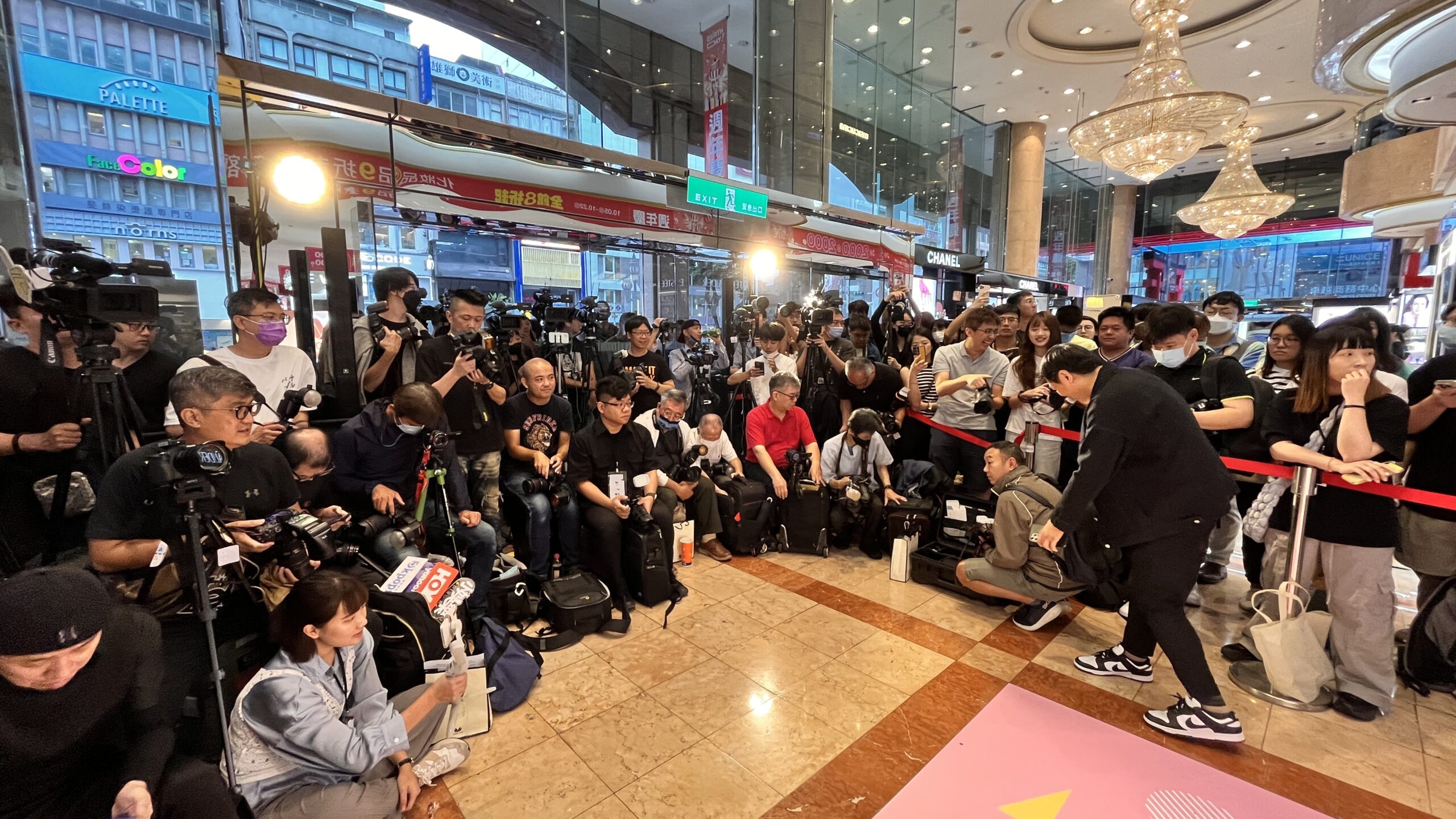
How to Write Brand PR Press Releases That Journalists Will Cover: It's All About the Angle and Word Choice | Expanding Media Relations
So what kind of brand PR press release actually gets covered and cited by journalists? A journalist's needs are straightforward: Content related to public interest—great deals (buy one get one free), delicious food (lavish seafood meals), fun activities (trade ID for theme park tickets), shopping opportunities (outlets, anniversary sales), policy changes (transportation, childcare, taxes), trending queues (popular restaurant openings), status symbols (e.g., iPhone 15), and other intriguing or impactful stories; stories like someone changing their name to "Salmon" to get free sushi, unlikely brand collaborations, holiday-related topics (Mid-Autumn Festival, Christmas, Valentine's Day); celebrity endorsements or appearances—actors (許光漢), politicians (central government officials), trending KOLs (李多慧), entrepreneurs (張忠謀), etc.
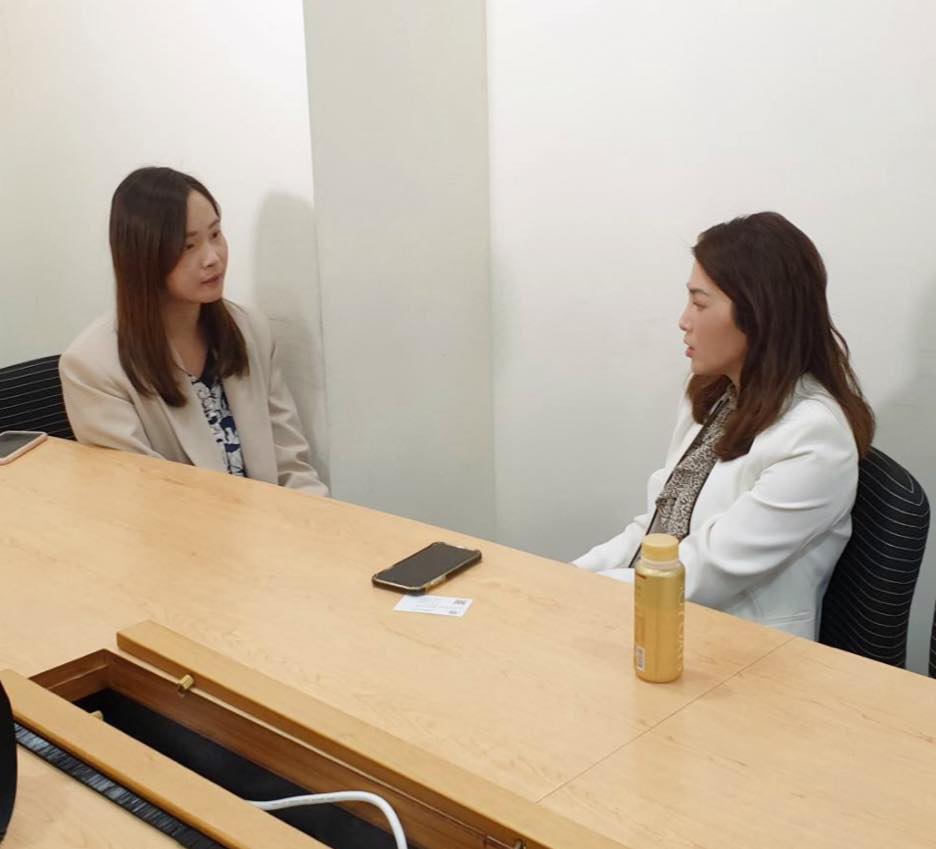
How to Guide Interviewees to Reveal Their True Thoughts? 4 Steps to Asking Good Questions
I've been working in media journalism for six years now. When covering breaking news, I interview 3-4 people daily. Later, when I transitioned to feature stories, I had to conduct in-depth conversations with interviewees 1-2 times per week. Their identities ranged from party officials, CEOs of large corporations, startup founders, to grandmothers at the market and children. How do you communicate with all these people?

Don't Judge Others with a Narrow Perspective! If an Interviewee Goes Off-Topic, It's Absolutely Because the Interviewer's Technique Isn't Refined Yet
How can an interviewer, through pre-interview research and understanding of the interviewee's life, attempt different questions in a short time to stir their reflections on life and lower their guard, so as to hear more profound stories. I used to struggle with street interviews, probably because I was stuck in a questioning approach that was too distant, unable to make people let their guard down, and both parties even had their pride. After this profound questioning experience, I deeply realized that questioning skills are truly crucial and require far more patience and understanding.

Don't Let Your Industry Limit You! Cultivate Transferable Skills Across Career Boundaries: Insight, Communication, and Business Development
In the past, I believed that when evaluating a career, you should look at the values behind it and the values it cultivates. In my early years in the workplace, during interviews, I had to interact with all sorts of people—sometimes CEOs and general managers, sometimes aunts and uncles at the market. Facing people of different professions, industries, classes, and identities, I had to switch my tone of voice to gain their trust. As a result, I developed "courage" and "bravery," and even gained a sense of "achievement" from the work. But what happens after you internalize yourself? While these are things you can sense from external reactions, they don't have much impact on the workplace or others. The only thing that truly helps others and lets people feel your transformation is actually "transferable ability."

As a Media Professional, Passion Alone Won't Pay the Bills — You Must Learn to Read People
In journalism, many people present themselves favorably, disguising themselves to appear as the victim. What you must learn is how to discern the truth, clarify the situation without exposing the other party, while avoiding being used as a tool — this is the survival rule in this world.

Cultivate Insight First to Develop Copywriting Skills: Mutual Multiplication Leverages Force
On March 26, 2020, I was invited to participate in an online sharing session co-hosted by XChange and National Chengchi University's Recruitment Month, where I shared alongside data analyst Daivd…

Short Posts Become Long Posts! How to Write Articles with Heart – The Situational Description Method
Many people write very bluntly when composing articles or expressing emotions, saying things like "I'm very sad" or "I'm heartbroken." But there are many ways to express emotions, and your sadness is definitely different from your reader's sadness. Everyone interprets heartbreak in completely different ways. So to make readers feel your sorrow, you must abandon the words "sad," and instead use a "situational description method" to sketch out your feelings.

NCC Calls for Self-Regulation on Wuhan Pneumonia Reporting by Broadcast Media! Why Not Online News?
From the perspective of spectrum scarcity, broadcast channels are public goods. When frequencies are opened for application, consideration should be given to the interests of the listening public (both listeners and non-listeners), the allocation efficiency of existing broadcast channels, media access for disadvantaged groups, and supply-demand dynamics in the advertising market. How to effectively utilize radio frequency spectrum and realize ideals of public interest, public service, and even the right to media access is the primary consideration for countries in allocating and managing radio frequencies; especially for the important basis of allocating non-commercial broadcast frequencies. Television and electronic media are regarded as "public property" with social responsibilities. Therefore, news legally must not contain product placement or advertising, and content suitable for all ages falls under "general" classification, hence regulations requiring pixelation of suspects in TV news footage, frame-skipping of fights and accidents, color-changing of blood, and so on.

Elevating Press Release Business Value – Using 'Agenda Setting' to Influence Media! Decoding 5 Reporter Selection Thought Patterns
Agenda setting was traditionally understood as a one-directional flow where media conveyed content to the public. However, today's multi-point communication and the 'death of the author' concept show that agenda setting is no longer limited to media setting topics for the public—rather, **the 'media' itself has become the subject of agenda setting.**

The Gig Economy Transformation! From Slashing to Multiple Income Streams: Building Your Personal Brand
Slashing actually has three stages: first, the gig economy phase, then advancement to multiple income streams (commonly known as the slash generation), and finally transformation into personal brand building. The time and maturity required at each stage varies depending on individual capabilities. Slashing may initially begin with the gig economy phase—taking on side jobs everywhere to supplement insufficient primary income—but it evolves from there.
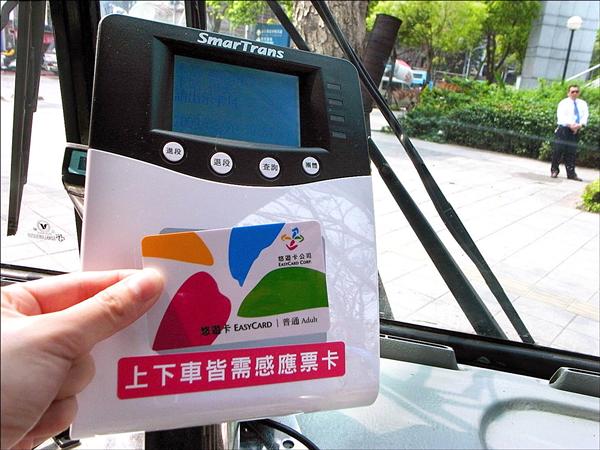
A Four-Year Plan Laid Out! Taipei and New Taipei Bus Card Tapping for Entry and Exit Surpasses 100 Million Passenger Data, Researching Lifestyles to Build Communities
Taipei and New Taipei bus card tapping for entry and exit is a manifestation of a smart city, because EasyCard's real-name system registers users' names, IDs, age, gender and other demographic data, and further verifies identity documents. This means passenger personal information and entry/exit data can be matched in a 1-to-1 ratio, becoming part of the data database. By adopting EasyCard co-branded cards, consumer behavior and lifestyle can be studied further. For example, whether working men or women buy breakfast or coffee at convenience stores before boarding or after getting off? Whether there is a positive correlation between the distance of convenience stores from bus stations and consumer spending intentions and other behavioral research

Han Kuo-yu Covers Mouth and Whispers to Chen Chi-mai About Dengue Outbreak; Directional Microphone Catches Unguarded Political Moment
Han Kuo-yu thought covering his mouth while whispering would prevent the sound from being picked up, but covering his mouth actually amplifies the volume. Moreover, television cameras are equipped with directional microphones that cost approximately 100,000 yuan each, featuring directional pickup and windscreen protection. With accurate positioning, they can capture even the quietest remarks from subjects, even in noisy environments.
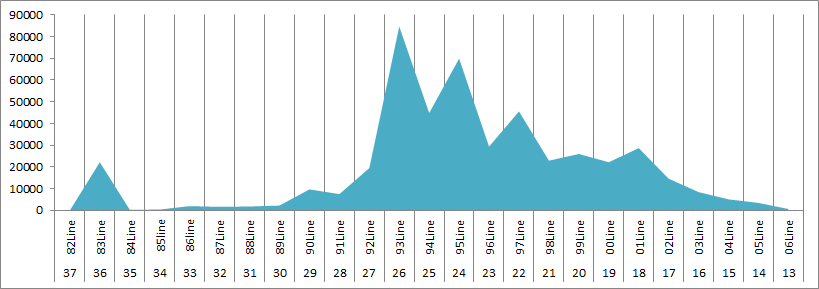
Decoding IG Community Phenomena! #93Line #00Line "Generational Labels" Data Revealed
This usage actually originated from Korean K-POP artists, who create exclusive hashtags by combining their birth year with LINE. Why the English word LINE? It carries the meaning of Channel, representing that everyone born in that year shares the same alignment. To feel closer to their idols and create a sense of belonging, fans follow suit and label themselves with these hashtags, sparking a social media effect.

Atmosphere-Fueled Fermentation! The "Offline Community" Boom — Does It Really Have Quality and Value?
Market mechanisms determine ticket prices, but honestly, some events are really just about the "atmosphere." Some people come with the hope of meeting other accomplished individuals, and sure, that opportunity exists. But in situations where participants aren't fully open, and when the event's participants lack a clear focus, the people you meet are just... that. Everyone's a group of people wanting to meet someone different from themselves, but genuine exchange of perspectives and sparks of collaboration are lacking. Attending an event actually causes internal friction with yourself, and you share your thoughts without getting equal returns.

Why Won't Media Show Up? A Reporter Teaches 3 Tips for "Press Release Mastery"
I previously worked as an online news editor and reporter. Though my career is short—just three years—I receive an overwhelming volume of press release "media invitations" every single day, and we simply can't read through them all one by one!!! So... how should you write the content and make the headline interesting enough to catch reporters' and editors' attention and get tons of media to show up?
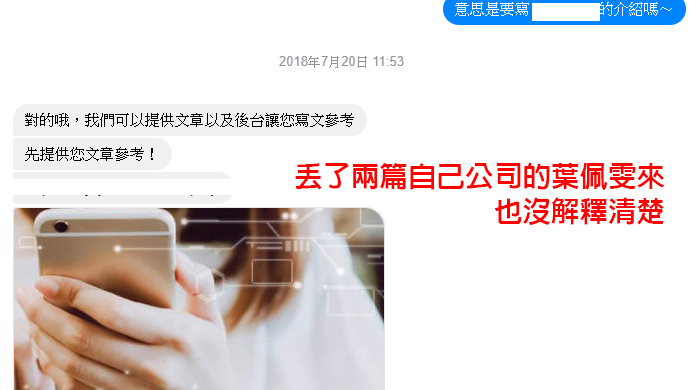
A Failed PR Case! My First Rejection: They Couldn't Explain the Product and Just Handed Me Two Sample Articles to Read
Clients need to estimate the collaboration format and word count requirements upfront, then both parties can assess and find a middle ground. If there's an internal budget, you should have a rough idea and discuss it together. If a collaboration works like this one, it will likely make the other party feel uncertain—as if you don't even understand your own product or collaboration conventions—and they may hesitate to continue.

Fan Pages Aren't Enough! Social Media Marketing Transformation — Use Groups to Screen "Loyal Fans"
Group members show higher initiative and engagement compared to fans who simply like your page. Through screening processes and topic participation, they gradually develop loyalty and stickiness. Although group members are far fewer in number than page followers, these are your core audience. Invest more in them, and they'll provide proportional returns in the future.
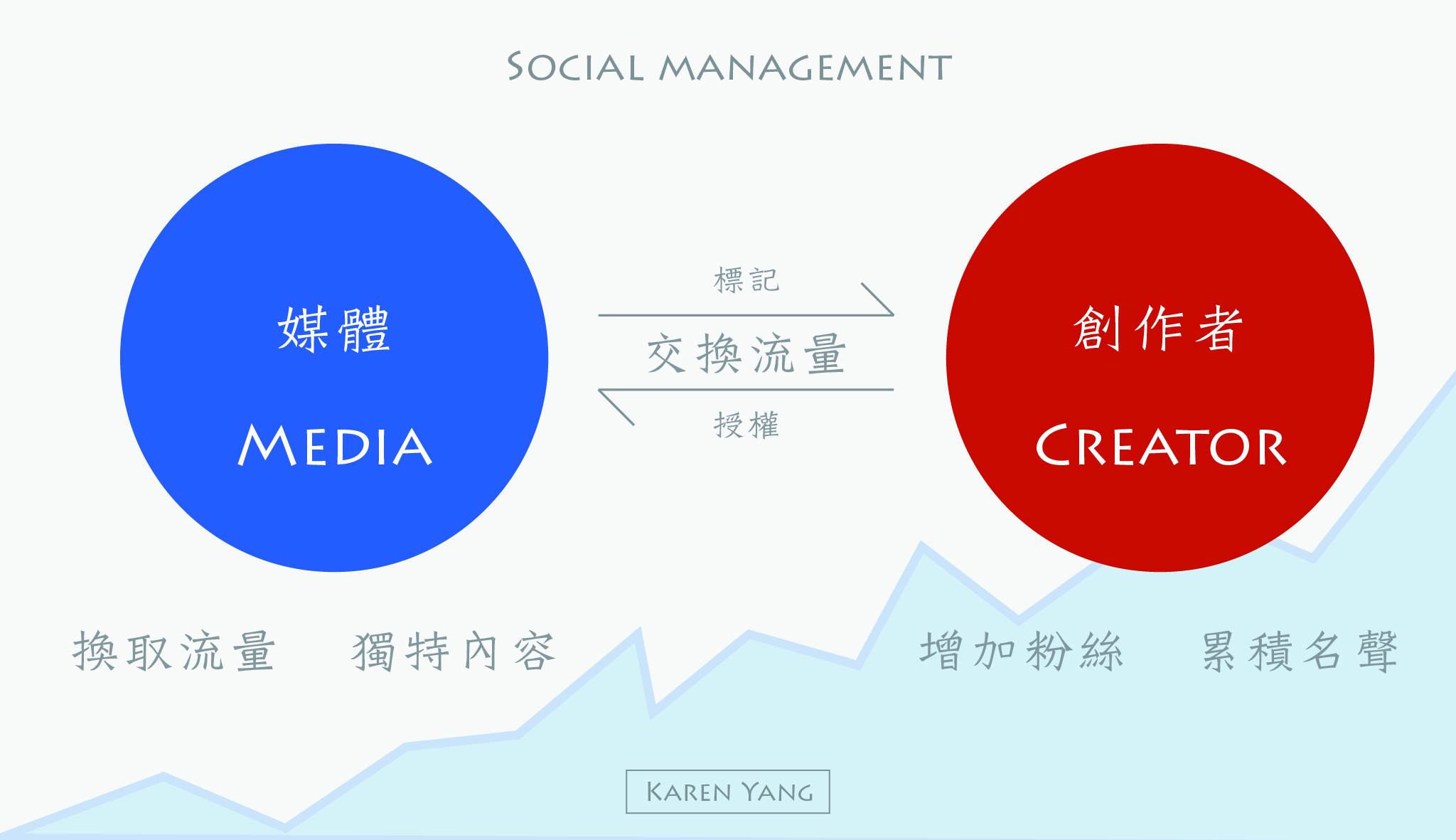
Stop Struggling Alone! "Traffic Exchange" is the Key to Rapid Social Media Growth
Managing social media has never been about speed—it's about going viral. Before virality comes preparation. During the preparation phase, through traffic exchange with news media, they gain unique, quality content and videos with traffic, while creators gain followers and reputation.