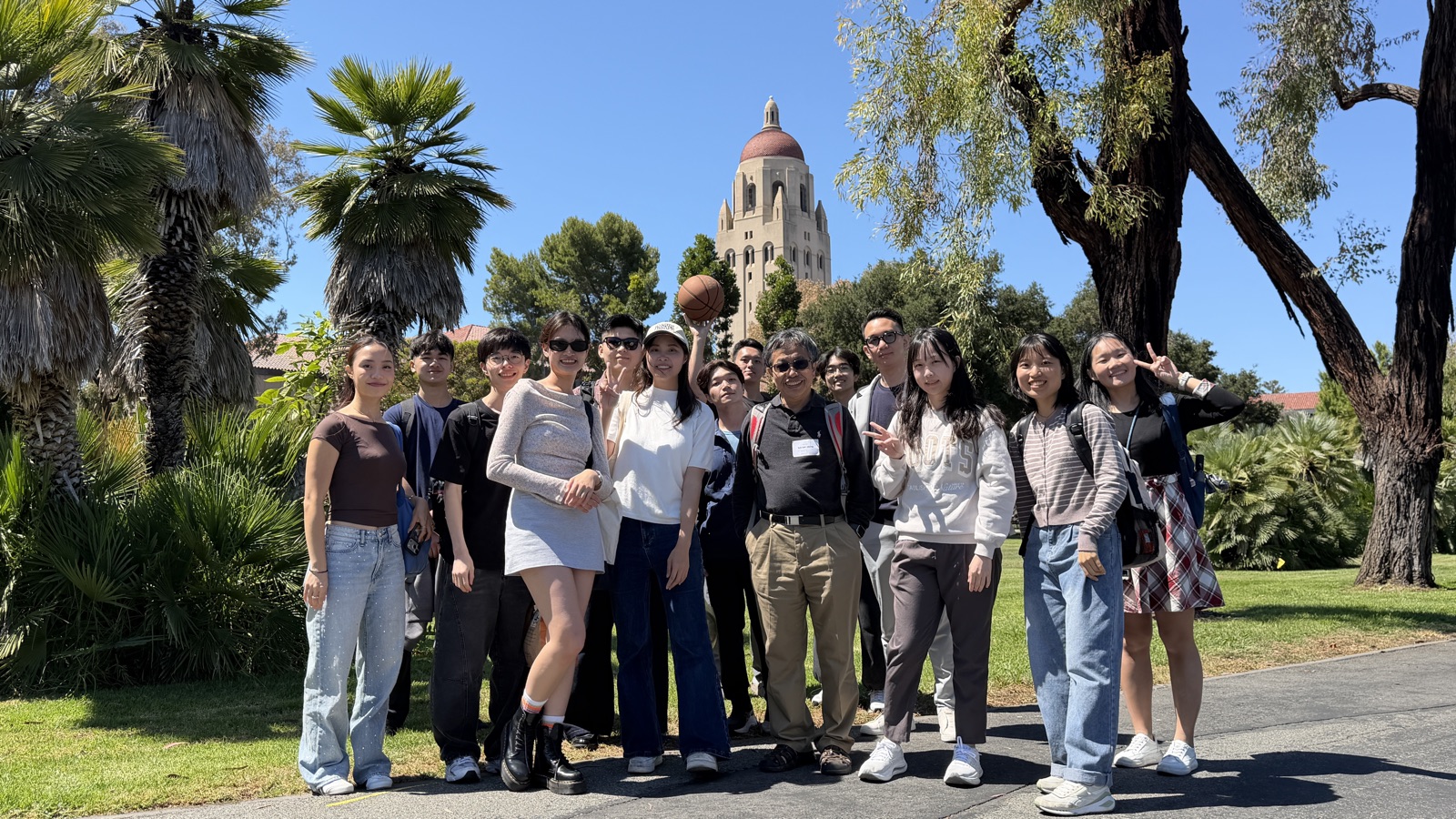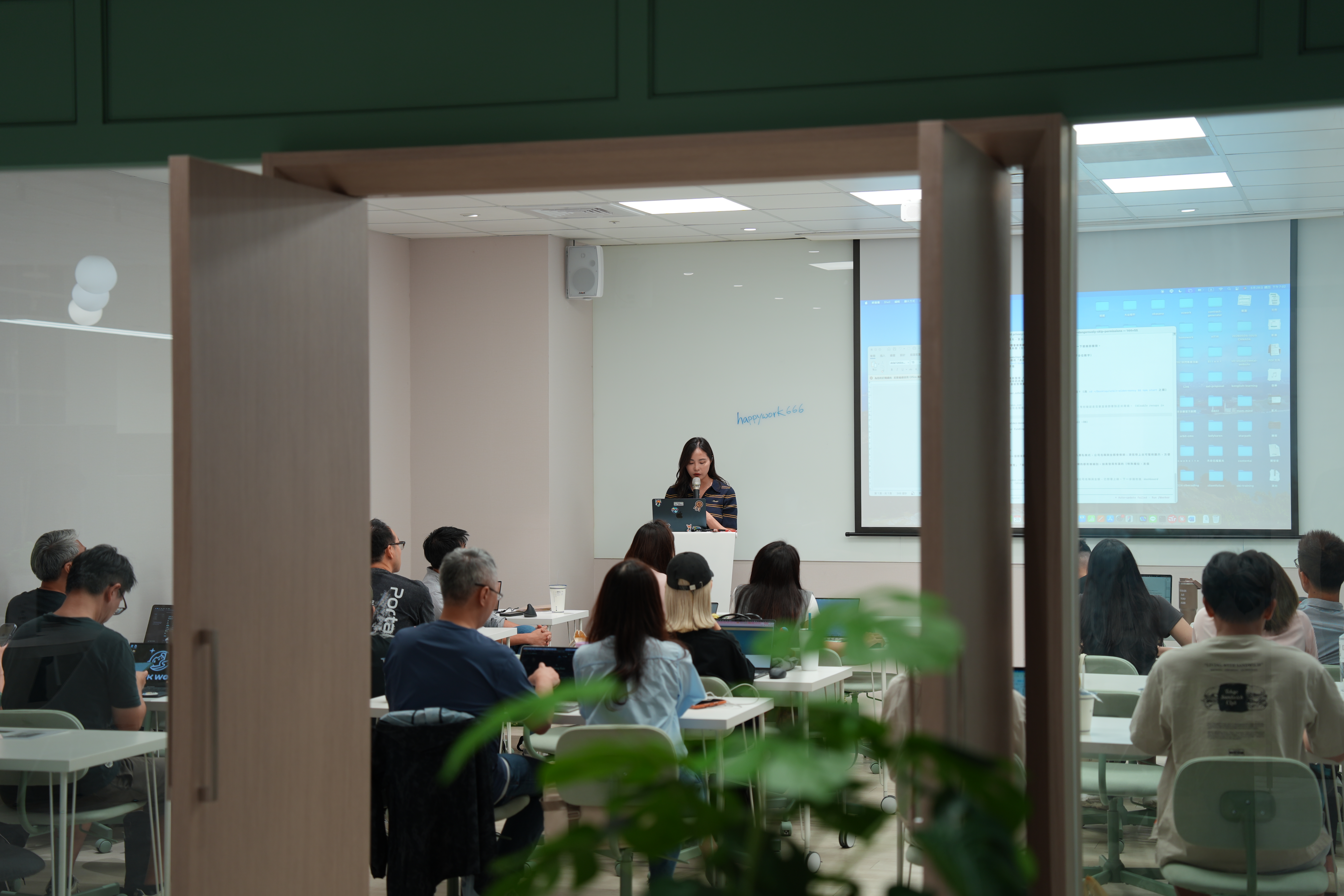
On March 26, 2020, I was invited to participate in an online sharing session co-hosted by XChange and National Chengchi University's Recruitment Month, where I shared alongside data analyst Daivd. My main topic was "copywriting skills."
I'm grateful to XChange for organizing this event, which gave me the opportunity to share at National Chengchi University's Recruitment Month. I had wanted to attend the graduate program in journalism there years ago but didn't get in. Having the chance to share years later is a way of fulfilling that dream!
The sharing session was held via online video conference. I truly felt that today's students are fortunate—they have access to so many resources and senior mentors who can help answer their questions.
I'm Karen, the Head of Brand Marketing at XChange. My full-time job is as a news reporter, and I've worked in both traditional and new media, making me a cross-media professional.
During the sharing, I focused on developing copywriting skills. Many people think journalism and copywriting are unrelated, assuming copywriting is more commercial. But actually, different journalists can bring different perspectives to their respective fields.
While I wouldn't claim to be extremely professional, after accumulating five years of cross-media writing experience in online, television, and self-media, I believe that before discussing copywriting skills, we must return to "the ability to observe society." Based on this view, I advised students to "break out of their echo chambers" and not live only within their friend groups and worlds.
I conducted a quiz at the event, asking whether they'd rather read news about "Liu Zhen" or "Wuhan pneumonia." Most students chose the latter, but when I revealed the answer, the majority of people online actually preferred news about Liu Zhen. Though it was a simple quiz, I used it to remind students, especially those at top universities, to learn about opposing perspectives. Understanding doesn't mean agreeing—it's about accumulating diverse viewpoints and perspectives, and building a ruler of values in your mind.
Then I discussed the accumulation of copywriting skills. I divided writing simply into three purposes:
- Traffic
- Quality
- Creating buzz
Of course there are many other dimensions, but I mainly focused on these three in this lecture, which are unavoidable whether you're in the industry or running self-media.
Balancing Journalism Integrity with Traffic and Quality
The following remarks are mainly directed at the industry. I believe you can insist on "refusing to copy articles from PTT, Dcard, or Baoliao Society," but you also need the capability to achieve KPIs, because online media monetizes through traffic. Without traffic, how can you monetize, and how can you sustain employees or develop your business?
Secondly, there's quality. While pursuing traffic, the most important thing is maintaining quality. Quality isn't just about correct spelling; it's about whether your perspective is unique, whether you can attract others' attention, whether you can find a different angle in a sea of identical information. This is what makes media interesting—you can immediately know how well you performed today and right now. You can learn from competitors, accumulate different perspectives, and adjust immediately. I really can't wait a week or a month to get feedback on my work.
Finally, there's creating buzz. This is what gives me the most sense of accomplishment—finding something, exposing it, triggering others' interest, and staying ahead of the curve.
These three points aren't only applicable to media. I believe that in pursuing goals, the more important learning is how to maintain flexibility, openness of mind, observe culture and trends, thereby improving your abilities, and simultaneously verify your learning through workplace experience, accumulating unique experiences. When you continuously learn, improve, test, and adjust your pace day and night without pause.
One day, your definition of and judgment about this world will no longer be A or B, but AxB=C+D+E.
Life isn't a multiple-choice question, and it's certainly not a one-way street. Mutual multiplication leverages force.