I'm a TV news reporter who previously worked as an online news editor and reporter. Though my career is short—just three years—I receive an overwhelming volume of press release "media invitations" every single day, and we simply can't read through them all one by one!!! So... how should you write the content and make the headline interesting enough to catch reporters' and editors' attention and get tons of media to show up?
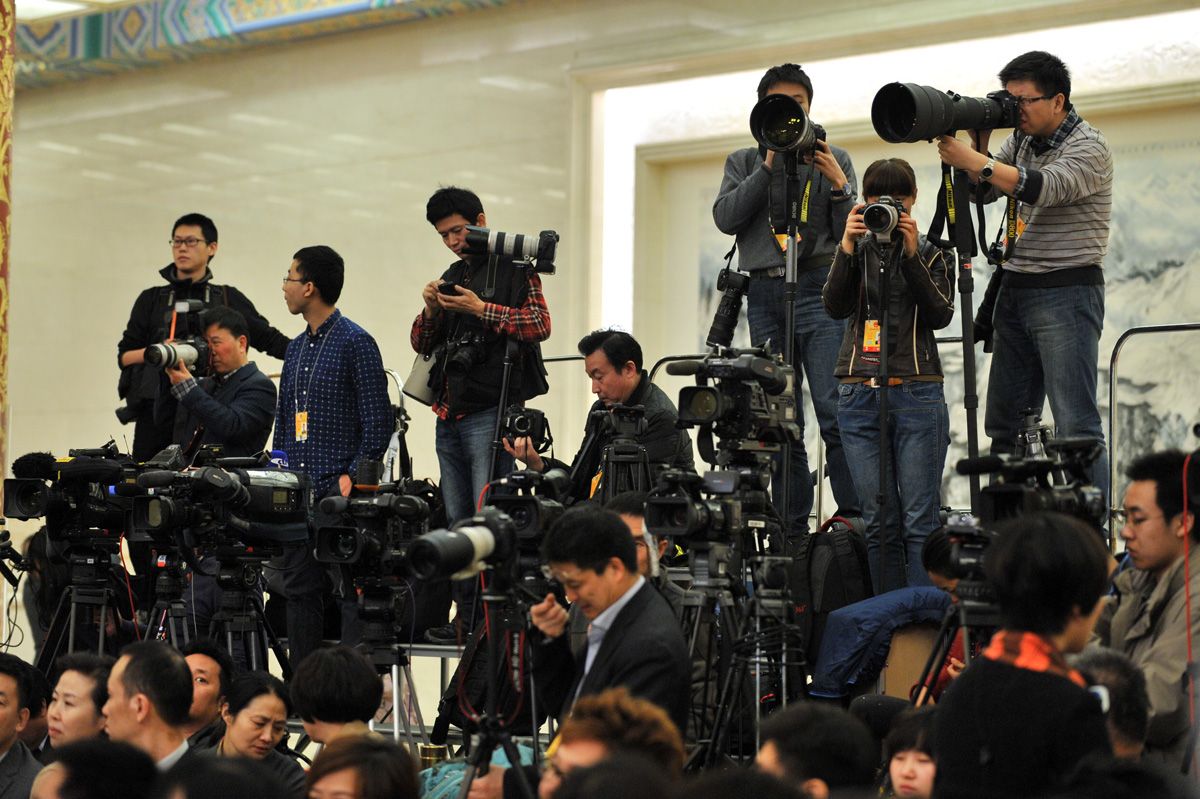
Because I've also worked at PR agencies handling fairly large-scale brands, whenever there's an event, we might get 10 to 70 media outlets interested. PR companies have quarterly targets to hit, so beforehand we'd draft the "structure" and "event messaging strategy." We'd think that internal discussions could generate media interest, but sometimes that's just not the case!
How do you write a press release to attract reporters?
【Understand What Reporters Care About: Visuals, Key Figures, and Newsworthiness】
Traditional media and current video media naturally need compelling visuals to grab attention. So when reporters receive a press release, they typically hope to also get "reference photos" or "reference footage"—perhaps from similar events held last year or elsewhere. This helps reporters envision what they can film on-site, making it easier to "pitch" the story to their editors.
Tip 1: Package "Newsworthy" Stories Out of Boring Press Releases
For example, I once received a press release about a school hosting a "Personal Safety Training" session. The headline sounded pretty boring at first glance, but upon closer inspection, I discovered it was a national martial arts coach visiting Taipei First High School for Girls to teach 120 flag-twirling team students self-defense techniques. The visuals and key figures checked out—you'd have self-defense demonstrations and the well-known Taipei First High for Girls plus a martial arts coach, which creates interesting contrast. Even so, it might not guarantee coverage.
So I brainstormed and connected it with the spate of femicide cases that had been happening over the past six months. I told my editor: Because recent murder cases have primarily victimized women, now a martial arts coach is coming to campus to teach female students self-defense techniques, featuring dramatic images of students practicing striking movements. This captured everyone's attention, and since many netizens found the issue important, it eventually became a news story.
Tip 2: Always Mention Key Figures—Never Mislead Reporters
Also, always include key figures in your press release. Major names like group chairmen or CEOs must be mentioned—never lie or misrepresent. I've seen PR people claim in press releases that the chairman would make an announcement personally, then when reporters called to confirm, they'd say a lawyer would represent him instead. That's absolutely not okay!
Why?
We need to understand the reporter's pitch process. Usually a reporter receives a press release, pitches it to their editor, and confirms what visuals will be available and how to frame the story. If it's a major figure, the station might dispatch an SNG truck or 4G equipment for live coverage—like press conferences from companies like Foxconn or TSMC require on-site live feeds. So if someone suddenly cancels, changes plans, or lies to get reporters there, the PR person gets scolded by journalists, and the journalist gets scolded by their editor. Next time a similar event comes around, they might refuse to attend—unless you're important enough.
Moreover, the day's news coverage might get headlines like "XX Chairman Mysteriously Vanishes," "XX Event Cancelled," "Said Yes But Didn't Show?", "Getting Cold Feet?", and other negative language. Sure, this might only happen with negative stories, but it's already damaging. If there are further complications, won't it hurt your image even more?
Tip 3: Topic × Topic
There's a job portal company that excels at riding trending topics. Every 1-2 weeks, they generate news by releasing survey data. For instance, when a typhoon recently hit, they released a corporate survey on whether companies allowed employees to take typhoon days off and arranged for interview subjects who had actually experienced having to work on typhoon days.
With survey data ready and interviewees lined up, although the visuals are a bit plain, they still address topics the public cares about. And this survey was prepared long ago—the PR team said "we were just waiting for a typhoon to hit." I found that incredibly smart and considerate. So every time they hold a press conference, numerous media outlets show up, and they add cited data as well, increasing exposure.
The second example is a convenience store cross-industry partnership. Consumer and food topics are ones editors really enjoy. Consumer stories work because convenience stores always come up with clever promotions—like launching "micro convenience stores" in partnership with gyms or bakeries, or selling beer and beer ice. These generate buzz.
For food segments, they typically partner with two to three food items, and the ones that "make the cut" usually fall into a few categories: 1. visually appealing 2. extravagant 3. special ingredients. Since visuals matter so much and everyone loves food, if today it's a pink pearl pizza, it's both beautiful and over-the-top, with a sweet-and-savory ingredient combination that's unique.
If it's lobster, the ingredient itself is luxurious—inherently extravagant—and if paired with different preparations like mallet-cracked lobster, lobster sandwich, or lobster burger, the different cooking styles each become a "talking point." It all comes down to how PR professionals find and highlight these special angles.