After six years as a journalist and now running my own PR firm, I can share the key points of writing brand PR press releases from two perspectives and find balance between both sides' needs to achieve optimal results.
My starting point in building relationships with journalists was that I had also worked as a reporter, and I share revolutionary bonds with many of my close friends who are still in the industry. During my media career, I briefly worked at a PR firm; starting from 2019, I organized over two hundred events of various scales, both in-person and online, and later inadvertently ventured into entrepreneurship by founding my PR company.
During my three to four years running a PR firm, our work includes: organizing press conferences, media lunches, writing press releases, setting agendas, distributing news, media purchasing, arranging interviews, and KOL word-of-mouth marketing—basically a complete one-stop service for media-related work. We've even accumulated over 200 news reports in a single year for individual clients.
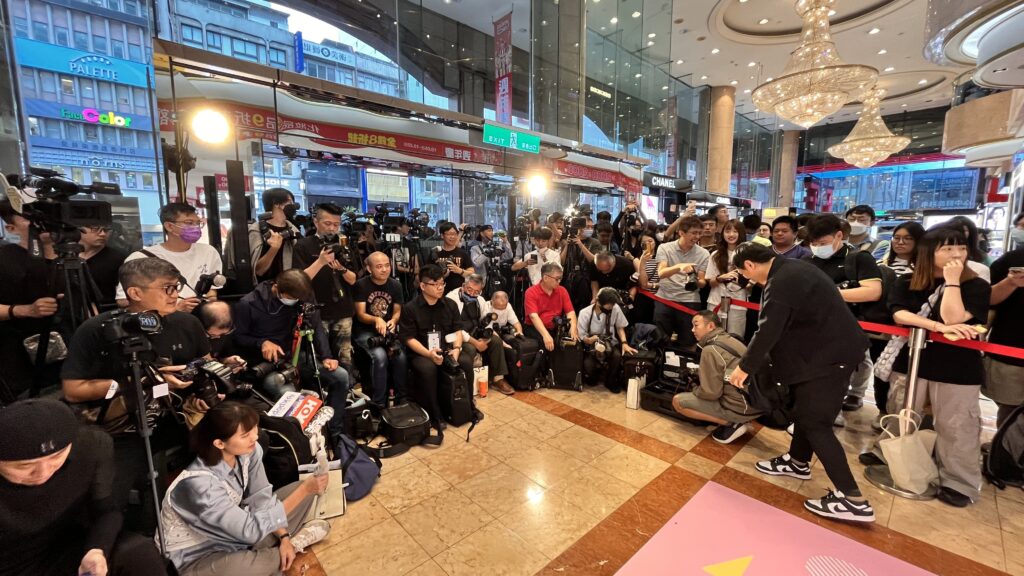 Photo: A 2023 year-end anniversary press conference for Wacoal, which attracted extensive media coverage
So what kind of brand PR press release actually gets covered and cited by journalists?
First and foremost, it should read nothing like brand PR language or commercial copy—then journalists can report based on the content provided in the press release.
Take "robotic vacuum cleaners" as an example, which can be written two ways:
What journalists will use:
(1) Sales figures (year-over-year comparison, total price value, number of households purchasing): Shows lifestyle trends, lazy economy trends, etc.
(2) Discounts: Comparisons of the best deals or special gifts included
What journalists won't use:
(1) Detailed specifications, cleaning speed: Unless the cleaning power is exceptional, journalists won't provide free third-party endorsement for a product. So features like radar scanning and oversized water tanks aren't necessarily something journalists will write about—including this information just ensures accuracy.
(2) Development team: Just as journalists won't easily provide commercial endorsement, development teams only get coverage if the company is a global giant; otherwise it's outside reporting scope.
If you're a PR professional, you might think "How do I explain this to my boss?" But the trick here is "emphasizing issues related to the public"—that's what journalists find interesting and will naturally report on.
Take something simple like "all beverages buy one get one free"—it relates to public welfare and great deals, and journalists are almost always willing to cover it. The reason is that the public pays attention, which gives journalists viewership and click-through rates. This is the "balance between both sides' needs" I mentioned earlier.
You can imagine the relationship between journalists and PR professionals like a seesaw: if both sides have equal weight, the board balances in the air. That weight comes from meeting each other's needs.
A journalist's needs are basically:
- Content related to public interest—great deals (buy one get one free), delicious food (lavish seafood meals), fun activities (trade ID for theme park tickets), shopping opportunities (outlets, anniversary sales), policy changes (transportation, childcare, taxes), trending queues (popular restaurant openings), status symbols (e.g., iPhone 15), etc.
- Interesting, high-impact stories—like someone changing their name to "Salmon" to get free sushi, unlikely brand collaborations, holiday-related topics (Mid-Autumn Festival, Christmas, Valentine's Day)
- Celebrity endorsements or appearances—actors (許光漢), politicians (central government officials), trending KOLs (李多慧), entrepreneurs (張忠謀), etc.
The PR professional's job is really to identify what journalists need, set the agenda properly, and maintain friendly relationships with media regularly—that's how you secure significant exposure for your brand.
For media inquiries: karenyang0503@gmail.com (Expanding Media Relations)