Seeing my name on the book cover was wonderful—a first-time experience.
When Yuan Liou invited me to write a preface for The Art of Building Networks Beyond Echo Chambers, I was genuinely delighted. After receiving the book and reviewing its content, I actually questioned myself: "What value do I possess to write a preface for such a well-crafted work filled with networking knowledge and energy?" Later, I grasped several concepts from the book and verified them in my own life, truly feeling resonance and inspiration.
The author of The Art of Building Networks Beyond Echo Chambers is Atsushi Karu Hirano, an associate professor at Harvard University who also has experience at top international enterprises. Both theoretically and practically, he's highly convincing. I discovered that countless principles in the world are similar, but who delivers them makes all the difference—transforming a simple statement into something of "qualitative change." Do you want to become such a person?
I do!
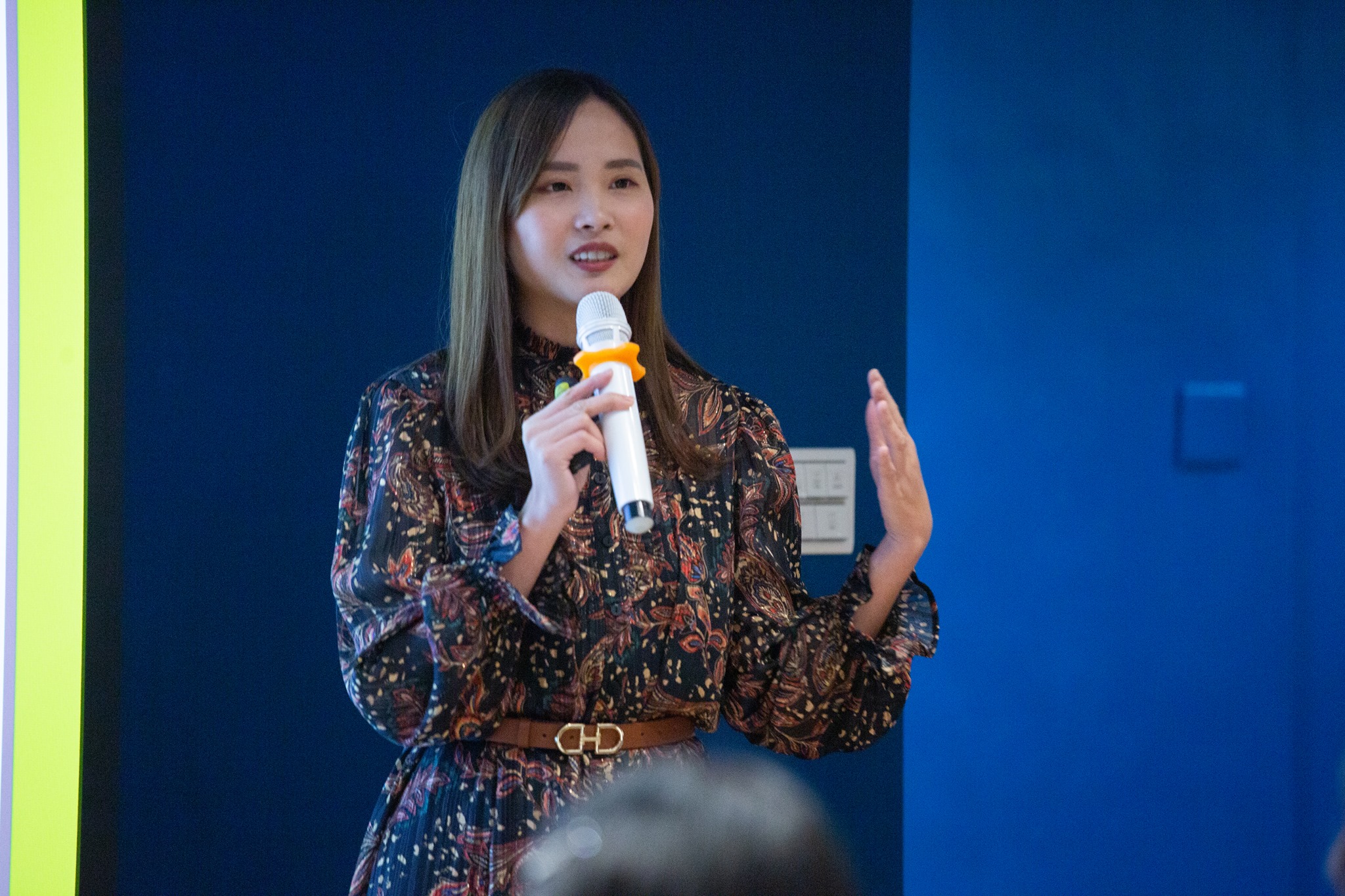
Let me briefly introduce myself. I'm Karen, known online as "Girl Karen." I caught the tail end of the 90s generation by the skin of my teeth. My full-time work is in media—I've been a social media manager, journalist, and public relations professional. After shedding corporate titles, I manage personal social media (Facebook, Wordpress) and have become a columnist for four media outlets (ETtoday, T Talks, Fresh Time Books, Project Manager Magazine), specializing in content about workplace, life, social media marketing, and interviews. I also organize "cross-disciplinary book clubs" that bring together like-minded people for deep exchanges and lifetime friendships. Another remarkable experience was serving as head of brand marketing for XChange, Taiwan's largest grassroots internet organization, collaborating with over a hundred top talents from Taiwan and abroad in internet circles.
If I apply universal standards of evaluation, I'm simply someone who delayed graduation for two years, found my first job at 25, had only three and a half years of work experience, and once changed jobs four times in a single year. Most people examining my resume would classify me as a "directionless young person." Yet before turning 30, I've built my own platform, and society hasn't had time to label me before recognizing my personal brand model.
How did I do it?
From my experience, I discovered several key elements:
- Doing things you love
- Things you're good at
- Things society needs
Possessing all three simultaneously allowed me to build my own exclusive platform, which perfectly aligns with concepts in this book. When I reached that passage, I realized this is how I became who I am today.
I love writing articles. Through the discipline of putting thoughts into words, I clarify my thinking and channel my emotions. This is something I love and something I excel at.
Due to my family background, I grew up helping my mother with her business. During my studies, I assisted with the family store and had the opportunity to interact with people from vastly different social classes. Later, as a journalist, I connected with higher-level business and political figures, developing my sensitivity, observational skills, and ability to synthesize information. I transform subtle, meaningful events into writing that brings insight and reflection to my readers.
Having skill alone isn't enough. "You must also be seen," There was a period when I couldn't find friends to discuss deeper topics with. Later, I actively joined offline communities and sought partners to move forward with. Fortunately, the people I met through XChange all possessed tremendous energy and capability. Beyond organizing events and managing brands, they supported, encouraged, and lifted each other up during times of career confusion and setbacks.
Through offline communities, in a short time, I had opportunities to connect with over a hundred internet powerhouses, discussing at the same level what else we could accomplish. This is the book's core concept: "Networks are your strongest asset." However, knowing many influential people isn't the key—what matters is whether you can turn them into "business connections." Socializing happens between equals, so you must constantly improve to avoid falling behind.
Beyond participating in communities, I also began building my own community by organizing book clubs where everyone shares using the 20X20 designer networking night format, combining insights from the book with personal stories. The most memorable member was someone with dyslexia who, determined to share well, read a book completely from cover to cover for the first time in his life. I realized that by positioning myself as a "bridge," connecting individual contacts into a network, I could create opportunities for deep exchanges and generate mutual value.
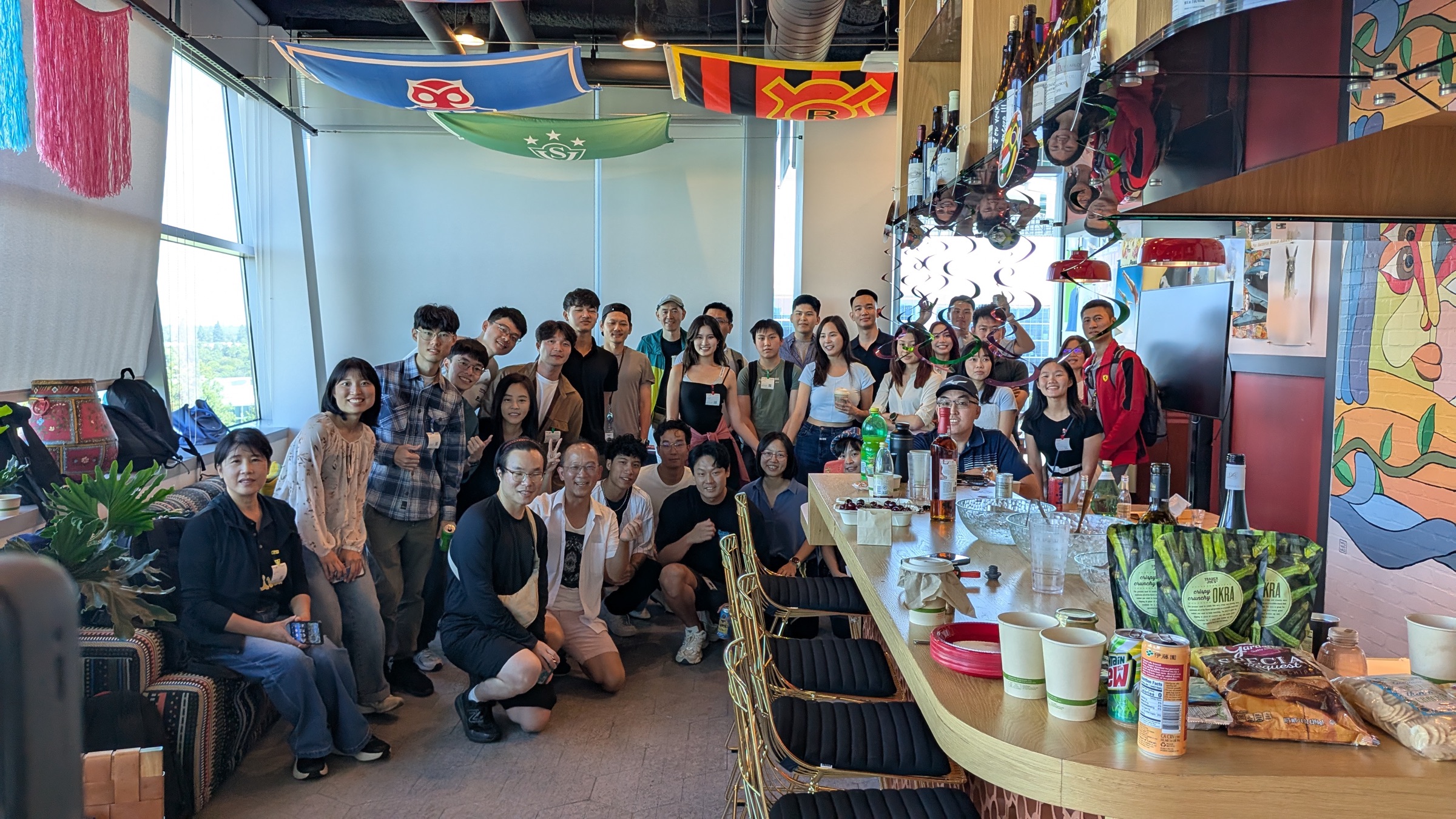
 Fellow members of the cross-disciplinary book club :)
Some might think doing these things is "a waste of time," but beyond the surface purpose, every action scripts an influence you cast on others.
For example, if you love learning, not every piece of knowledge may be immediately useful, but your love of learning earns respect from others. Respect brings unexpected success.
If you approach every task seriously, each task individually may seem insignificant, but others will recognize your integrity and grant you trust. Trust brings unexpected value.
Building a personal brand is an asset no one can take away. If you want to carve out your own space in this narrow, suffocating society, don't hesitate—stand up and begin!

Purchase link: https://www.books.com.tw/products/0010825375