By Karen
Let's start by understanding what reading freedom means.
Around the fourth week of working from home, after a brief period going into the office, I returned to remote work due to company policy and stopped commuting.
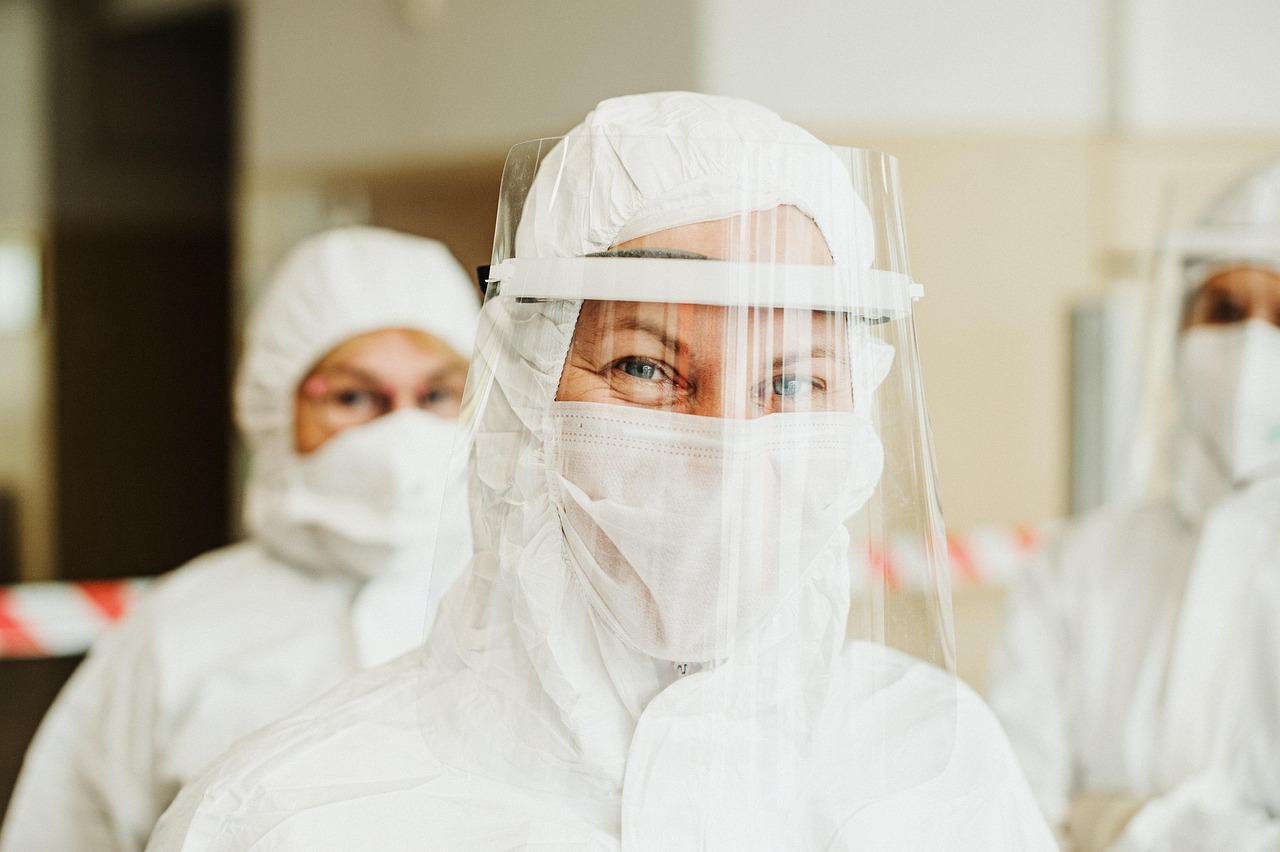
While following the pandemic's developments, I've also noticed changes in many people's mental and physical states. Some lost jobs during the pandemic, others risked their safety for survival, and some remained on the front lines, helping people through this global crisis.
During this time, I noticed many people struggling to manage their work-from-home schedules and maintain clear boundaries between work and life, which has led to frustration. I wondered: when people try to clearly separate work, off-work, life, and survival, does it suggest that part of their subconscious dislikes being in a certain state for extended periods—even if that duration is only 8 or 10 hours a day?
American author Gail Sheehy once pointed out that commuting is actually a ritual that divides daily life in half: one side is work, the other is life, allowing the brain to consciously switch between different states.
But why can't work also be a way of living?
"With time to think, comes the ability to think." This is the deepest insight I gained from spending three to six months abroad on two separate occasions.
When I first entered the workforce, I struggled to adapt. Though I eventually kept pace with the company's demands and the fast-paced, high-pressure environment, I felt deeply unhappy inside. It was as though everything—what you say, what you write, how you dress, how you speak—had to fit into predetermined boxes to be noticed and valued.
A few years later, with the same willfulness I had as a student traveling to Korea for half a year, I quit my job and went to the Philippines for three months. Only then did I realize that when I slowed down and removed the armor I wore against the world, I simply wanted to genuinely enjoy life and the world.
Back in Taiwan for a year and a half, amid the busy pace of life, I found that when I poured my passion into what I love, it didn't feel like work or answering to anyone. Recently, I also came across articles discussing "gaps" or "downtime." After experiencing it myself, I believe gaps are extremely important.
There are roughly three reasons why:
One: Reassess Your Situation and Gain a New Perspective on Yourself
First, many people become accustomed to their current lives, accepting hardships as "inevitable," mainly because they don't realize they're under latent stress or believe such pressure should simply be overcome and accepted—creating a cycle of negative effects.
When you have a gap, it's actually an opportunity to view life from a different angle and reorganize your previous state. Was I pushing too hard? What kind of life do I want to live? Was my previous state truly necessary?

Two: Adequate Rest and Relaxation
I discovered that not having to rush out of bed actually benefits physical health. Previously, I had to commute, catch rides, and beat the clock. Every morning meant quickly getting dressed and heading out, with variables like traffic, transfers, and bus schedules affecting my arrival time. That pace was genuinely stressful.
Now without commuting, I can wake up and start work in a relaxed state, completing my first task with ease. Between work tasks, I can even do housework I previously had no time for—like ironing clothes XDD
I never had time to iron clothes before, so I'd go out with wrinkled clothes, which really affected my appearance! Now with more time, I can return to these small details, noticing what was overlooked during my working life, and fill those gaps with time.
Three: Explore What's Next and Maintain Mental Health
If you save commute time, you might gain one to two extra hours daily. Beyond that, reduced rushing out means better physical energy and mental clarity, allowing you to spend more time on activities that truly lift your spirits. Realistically, you gain about two extra hours a day.
Those extra hours are perfect for real thinking. Traditionally, we only focus on physical health, but mental health matters too. A healthy mindset helps you move forward with clearer goals and a more positive attitude.
If you've never given yourself time to pause, why not use this period to think deeply?