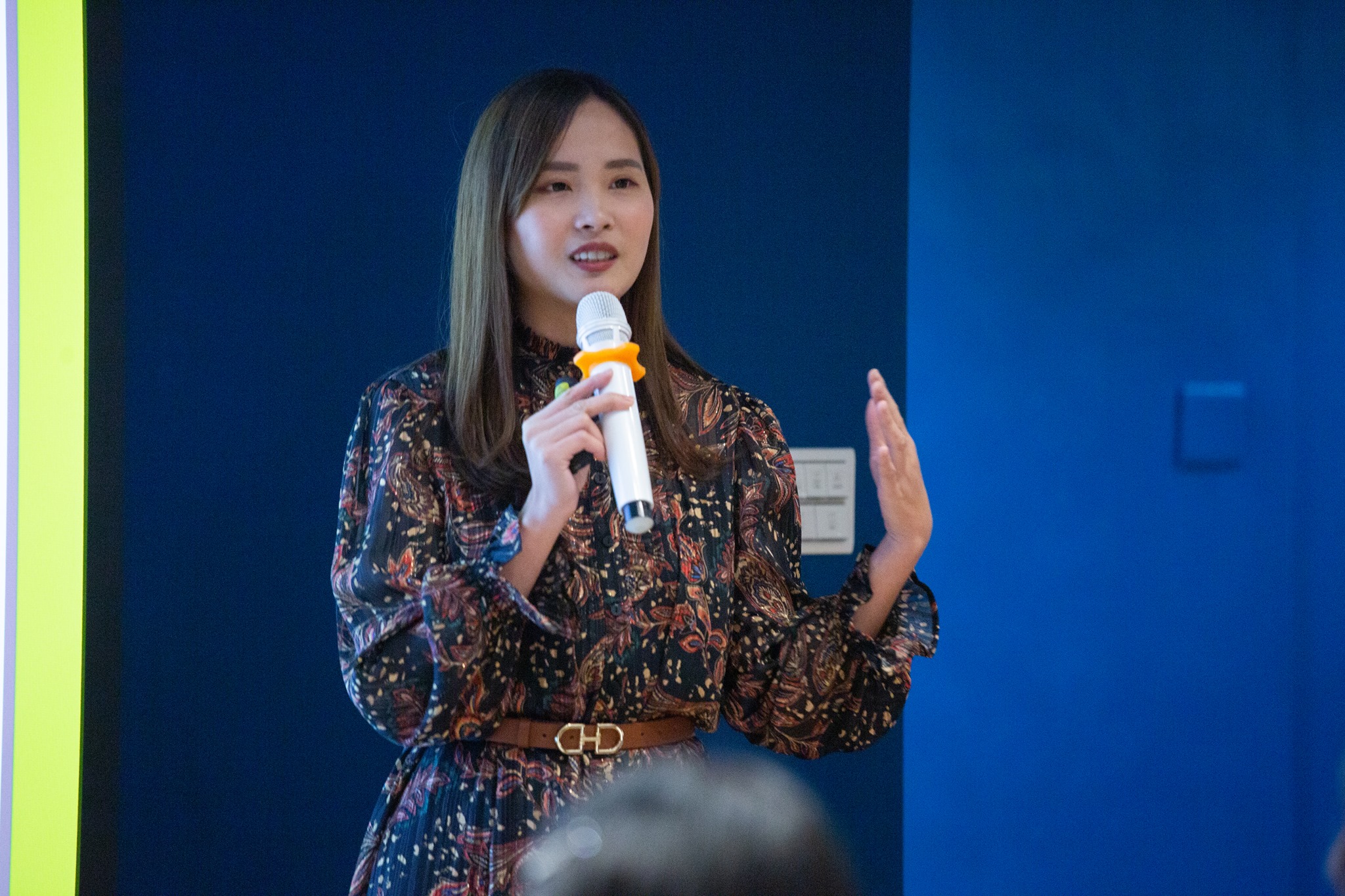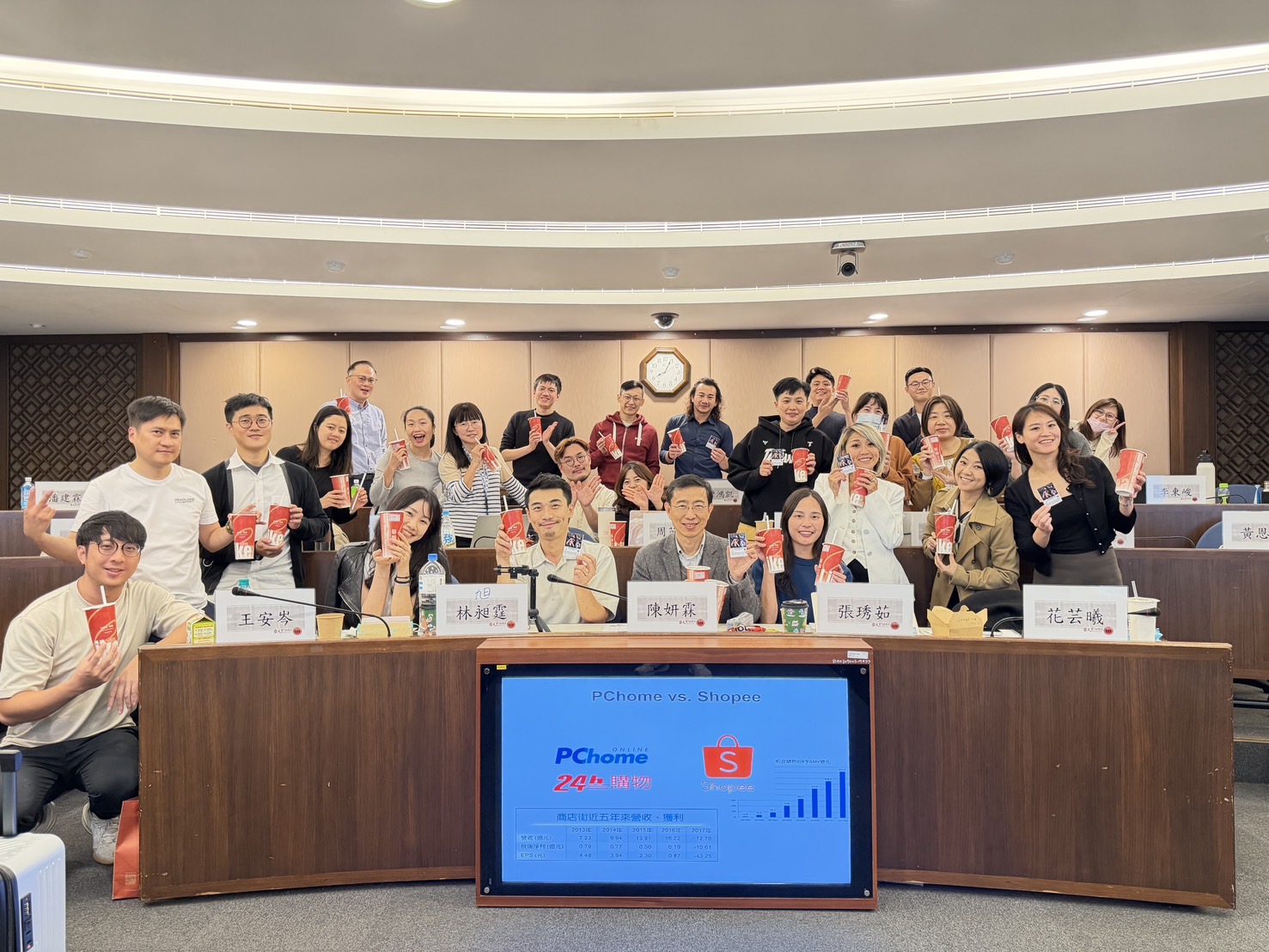
On 2024/1/20, I participated in the "2nd Career Development Annual Conference." My presentation topic was "From Creation to Entrepreneurship: A One-Person Company Begins with Giving Value to Talent." During the presentation, I shared how I went from a monthly salary of 30,000 to annual income exceeding 1 million in a short time. Although it was a journey of constant self-examination and struggle, it has been incredibly valuable for my long-term life. Here I share with you the most important key among them: "high-level thinking"!

High-dimensional thinking is a way of thinking that emphasizes considering multiple angles and levels when solving problems or analyzing situations. This thinking method is not limited to traditional two-dimensional (such as pros and cons) or three-dimensional thinking (considering depth), but rather attempts to understand and interpret things from more dimensions.
High-level thinking typically encompasses the following characteristics:
-
- Multi-dimensional analysis: When considering a problem, think from multiple different angles and levels, such as culture, economics, psychology, and technology.
-
- Systemic thinking: Understand how various elements interact within a larger system and consider their long-term and broad impacts.
-
- Flexibility and creativity: When thinking about problems, you can flexibly switch between different thinking modes and use creativity to propose innovative solutions.
-
- Critical thinking: Conduct in-depth analysis of information and viewpoints, and question existing assumptions and theories.
-
- Situational awareness: Understand and assess variables and uncertainties in a situation, and be able to adapt based on these factors.
High-level thinking is particularly important for leaders, decision-makers, and innovators, as it helps them understand complex problems more comprehensively and develop more effective strategies and solutions.
To cultivate high-level thinking, ordinary people can follow these specific steps and methods:
-
- Learn from multiple angles:
- Expand your knowledge domains: Don't limit yourself to your profession or interests; try learning cross-disciplinary knowledge such as economics, history, science, and art.
- Read diverse books and articles: Choose reading materials of different types and perspectives, which can help you view problems from different angles.
-
- Enhance critical thinking skills:
- Question common sense and assumptions: Don't easily accept any viewpoint or information; learn to ask questions and challenge. Work out your own conclusions before forming viewpoints and positions.
- Analyze and evaluate evidence: When you hear a viewpoint, try to analyze its basis and logic, and evaluate its validity.
-
- Cultivate systemic thinking:
- See the big picture: When facing a problem, don't just focus on details; rather, consider the overall situation and long-term impacts.
- Learn how to identify and analyze various parts in a system and their interrelationships.
-
- Strengthen situational awareness:
- Understand context and situation: When analyzing problems, consider background information and current context; don't judge solely based on past experience, as this may be biased.
- Adapt to change: When situations change, be able to quickly adjust your thinking and actions.
-
- Practice reflection and self-assessment:
- Reflect regularly: Review your decisions and thinking process, and consider how to improve.
- Self-assess: Objectively evaluate your thinking approach and decision quality.
-
- Communicate and collaborate with others:
- Actively participate in discussions: Exchanging with people of different backgrounds and perspectives can help broaden your horizons.
- Learn to listen: Carefully listen to others' viewpoints; even if they differ from yours, it's a great opportunity to expand your knowledge.
-
- Encourage innovation and creative thinking:
- Try new approaches: When solving problems, don't be afraid to try new methods and ideas.
- Cultivate curiosity: Maintain curiosity about unknown things, which helps stimulate creative thinking.
Lady Karen Instagram: https://www.instagram.com/ladykaren503/
Lady Karen Fan Page: https://www.facebook.com/LadyKarenoffice