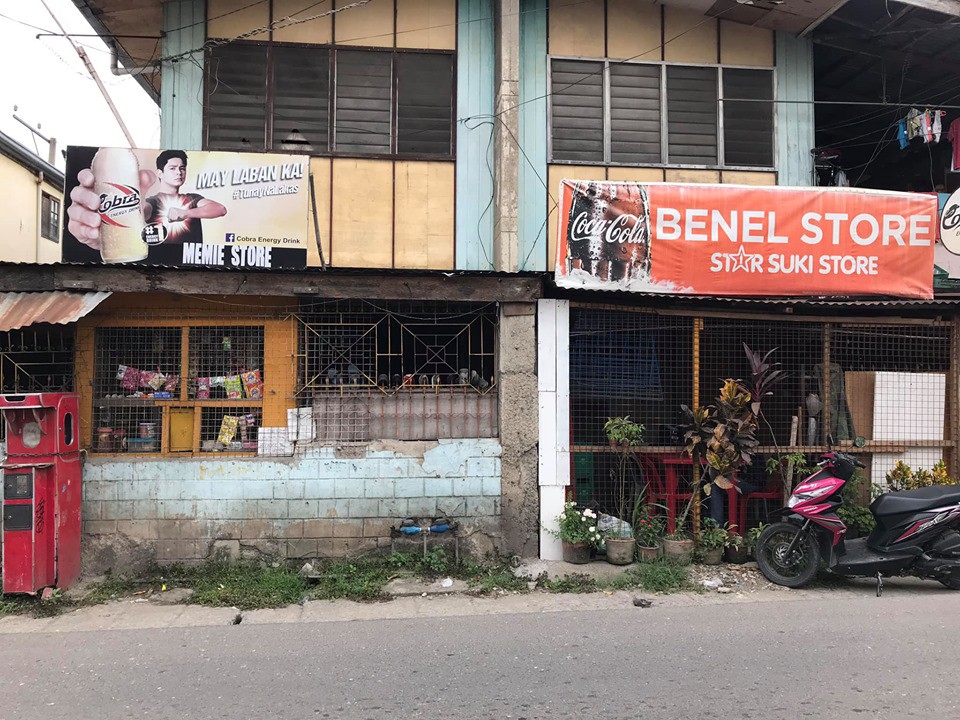
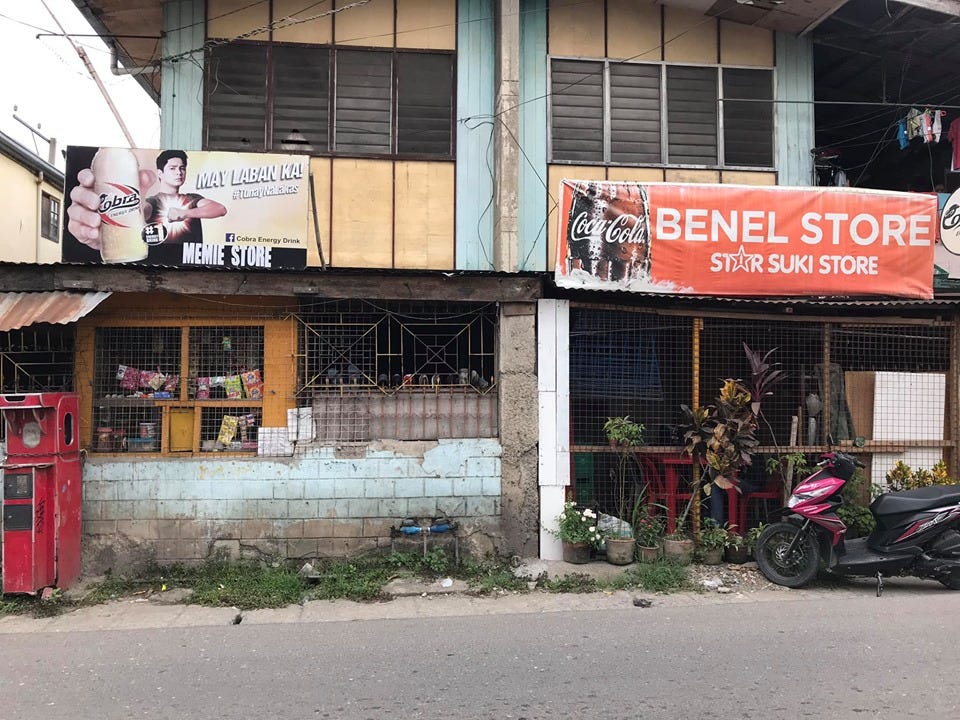
(Image / Real street view of Cebu)
Before coming to the Philippines, I thought Cebu would be a more developed place. After all, when you search "Cebu" online, you get results for large malls, island-hopping seaside views, swimming with whale sharks, sardine runs, and all sorts of fantastical travel itineraries. This behavior, in the field of media studies, is called "media tourism".
(Image / Search results for "Cebu")
To be honest, I'm not a fan of media tourism. For example, when you arrive somewhere, you "must" photograph a certain landmark, "must" eat at a certain restaurant, focusing on online reviews while ignoring your actual feelings in the moment.
When I actually arrived in Cebu, the school was about a 30-minute drive from the coast. The area, I think, better reflects what the Philippines is really like—no skyscrapers, just 2-3 story houses, some roads without asphalt, only bare yellow soil. Sometimes when you walk in flip-flops, it doesn't take long before sand gets between your toes.
"Filipinos probably can't live past 60," the teacher said one class when we were discussing average life expectancy across countries. Japanese, Korean, and I all said we could live over 80 years. The teacher frowned, "Because our water and food aren't very clean, and the air is bad, so our people can't live that long."
According to the World Health Organization's report on "Expected Life Expectancy at Birth by Country and Region," Japan ranks first with 74.9 years, followed by Singapore at 73.9 years, and Switzerland third at 73.1 years. The Philippines ranks 124th globally with an average life expectancy of 61.1 years. The last-ranked country is Sierra Leone, with a life expectancy of only 44.4 years.
When the teacher stated this matter-of-factly, I was quite shocked. That's when I understood why Filipinos get married as early as 17 or 18—their lifespans are a full 20 years shorter than ours, so their life cycles move faster too. They need to realize their dreams quickly. They don't pursue success and fame; just living well is already a blessing.
That's when I realized how truly unfair the world is.
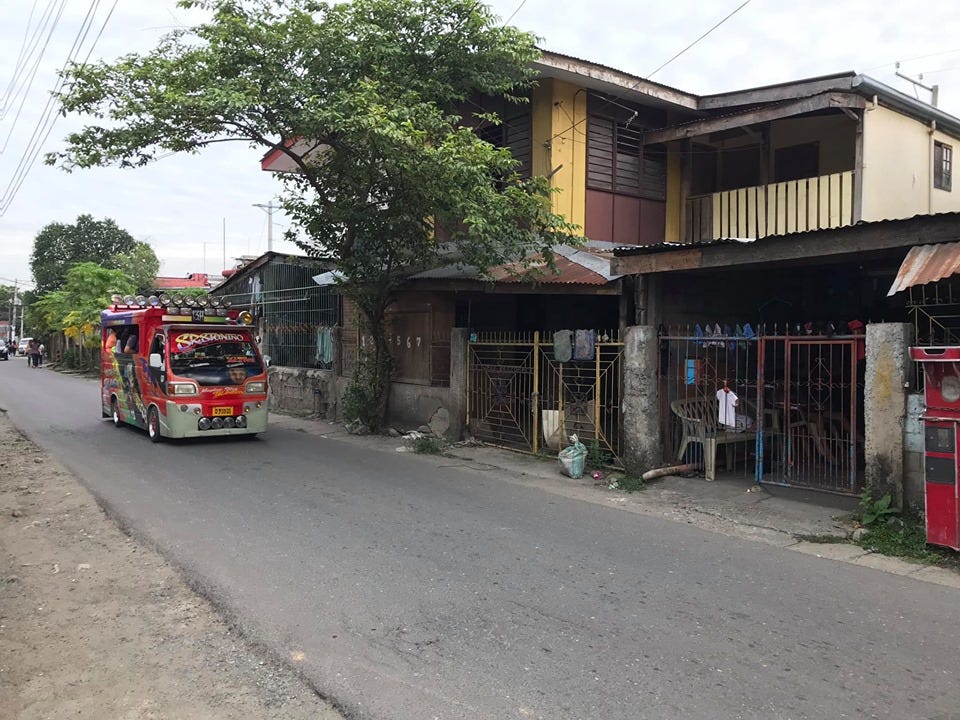
(Image / Common transportation in the Philippines—jeepney)
When I told the teachers about my trip to Boracay, I felt it was like going to Kenting from Taiwan. But the teachers all said they'd never been there, saying airplane tickets were too expensive. When I asked around, I learned that a teacher's monthly salary is only 6,000 Taiwan dollars. Our school fees could support 34 teachers, yet this salary already approaches the average Filipino income (3,820 USD per year).
"Your background determines your future." In Taiwan, I believe class and family background differences cause pain across generations. But in the Philippines, I think it should be understood as "your birth determines your future." The environmental conditions of your birth country can even determine how long a person lives. People here have no choice in their environment. When basic survival conditions are a luxury, what room is there even to talk about living well and having a life?
Thank you for being born in Taiwan.