Is the status of journalists still high?
News journalism used to be a prestigious profession, but in recent years it has been reduced to what trolls call "prostitutes of journalism." Of course, having been in this field for eight years myself, I deeply resonate with this sentiment. I once experienced the heyday of a certain company. But the so-called decline comes from certain executives giving unclear directives, turning a good news story into something that covers everything under the sun—one moment asking about heaven, the next about earth, what we call "ghost drafts." What I could never quite get over was one piece of news directed by a vice president, asking me to compare the differences between "paper-made" and "wooden" ceremonial ships. I'm sorry, but I really didn't understand why I should use my professional analytical and integrative skills to produce a "news story" like that. I couldn't find the value in it. I was grateful I left that environment early.
The inability to find value is something journalists often question themselves about.
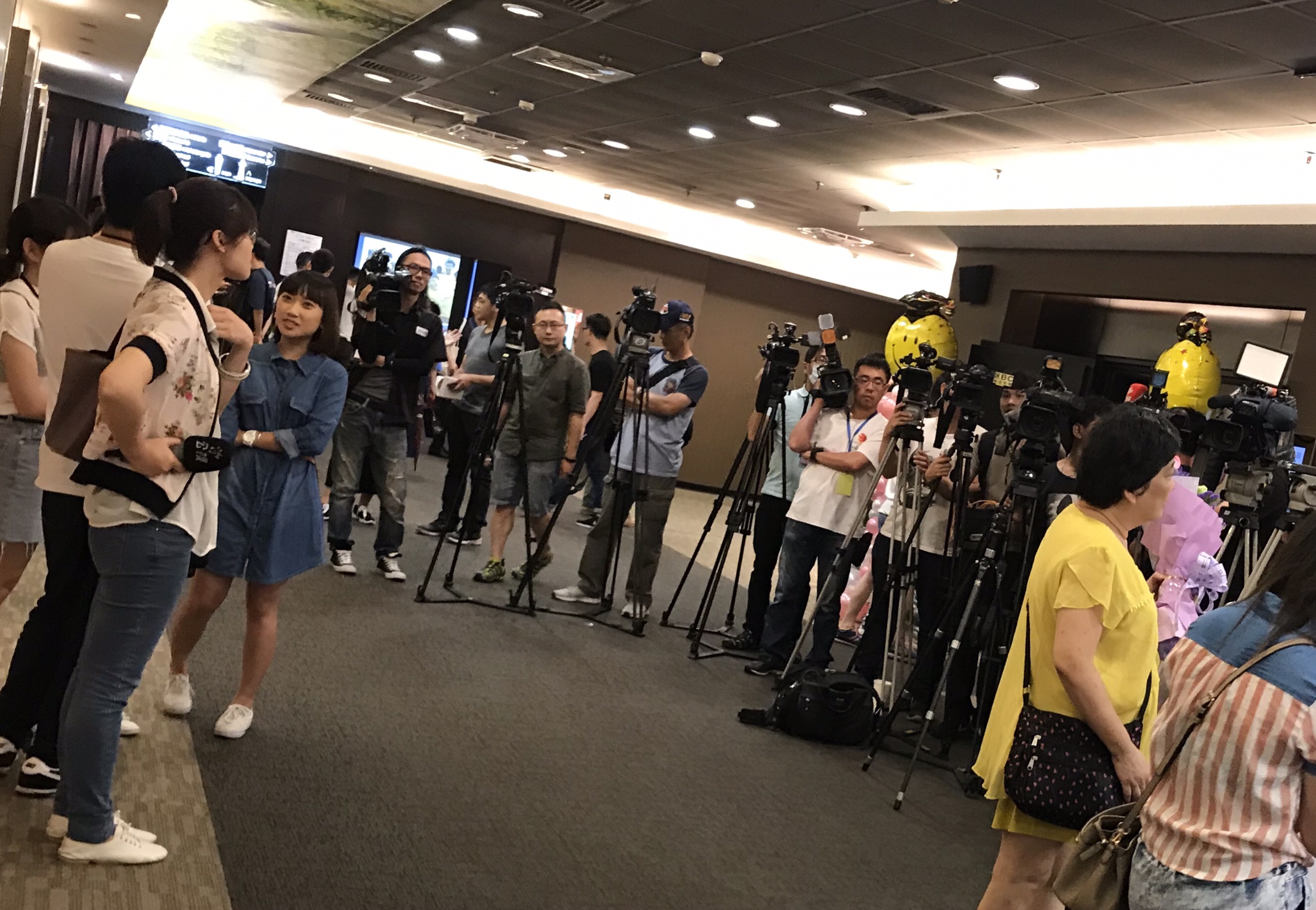
Later, opportunities came, as I shuttled through various interview settings—disaster scenes, financial press conferences, sporting events, protest sites, or pleasant food, consumer, and experiential programs. Every day I reset myself and experienced the world anew. Sometimes the interviewees I faced were university students burdened with 900,000 in student loans, working hard through part-time jobs, troubled between credits and tuition fees. The next moment, I'd be positioning myself in front of billionaires and government ministers, searching desperately for just one response, or kneeling down to interview international sports stars while adjusting to their sitting height. Reporters are like amoebas, listening, absorbing, integrating.

Or interviewing a high school student about to study abroad on a full scholarship, telling you "I've already read all the books senior journalists have read," and wondering whether the words from this 17-year-old represent confidence or arrogance. This measuring stick in my mind kept wavering, because I later interviewed a 16-year-old with over 300,000 TikTok followers who even organized his own signing events. From his speech and demeanor, you could understand that his thinking had already been shaped by social media platforms, giving him insight into how the world operates, changes and opportunities in the entertainment industry—what to seize and what to abandon. At 16, he had already made these choices. What we call confusion might be past behaviors that lacked maturity and sparked negative buzz. Yet, the world is willing to give him chances because he's young.
The interesting part about interviewing is that the other person simply states their thoughts plainly, yet you can immediately discern the deeper meaning and the differences between you. These differences don't necessarily involve class issues; rather, they help you gain multiple perspectives and a more open mindset toward different things.
Journalism has given me a kind of courage. Truthfully, I'm a very timid person, not good at making friends with strangers or engaging in deep conversations—that's just my nature. So why did I become a journalist? Because I wanted to change my timidity and introversion. Of course, throughout conversations with strangers, discomfort lurks in the deepest recesses, yet it also gives me the opportunity to reflect on why this discomfort exists and where it comes from.
Why the discomfort? After much thought, I think it's because I was doing something I'm not good at, and because of that lack of skill, there were many shortcomings. Facing different interviewees means your posture, demeanor, language, and tone all have to change. Even the complexity and level of your vocabulary must shift accordingly to help the interviewee easily understand your questions.
Shuttling between interviewees, what I gained was the ability to shift my mindset. One second dealing with PR, the next facing executives—different words, different levels of understanding. Or constantly switching between different corporate PR departments: with cooperative ones, I choose courtesy; with those with complicated procedures and who claim to know nothing, I must defend my company's position, push boldly, even respond firmly.
This taught me a lesson about being human: how you treat others is how they treat you; how you respect yourself is how others respect you. The esteem you receive today is all false, entirely because of your name and title. If you truly have something to offer, remove that title, examine yourself, and see how far your abilities really go—that's what's real.