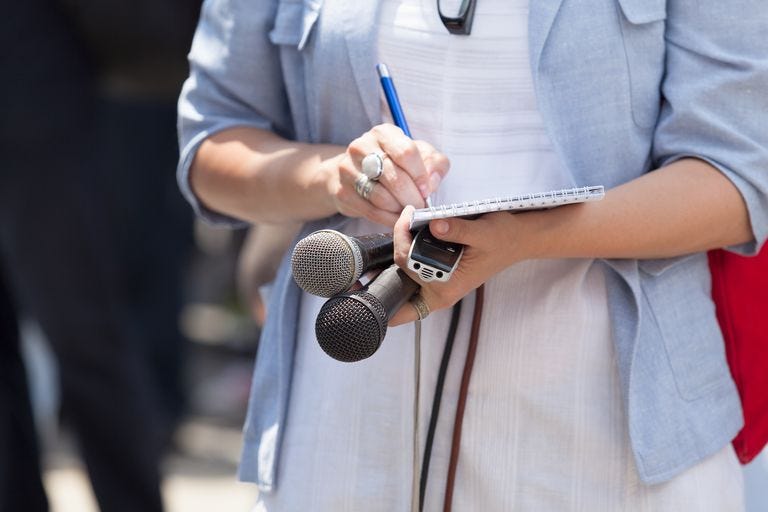
Many things are happening everywhere and all the time around the world. Although people have much greater access to information compared with previous generations, they still cannot know everything by themselves. So, who decides which things we should know?
It's still the media.
The media should be neutral across every channel and present facts and reliable information to the public. However, the media have their own opinions and cannot express the complete picture. How do they do it?
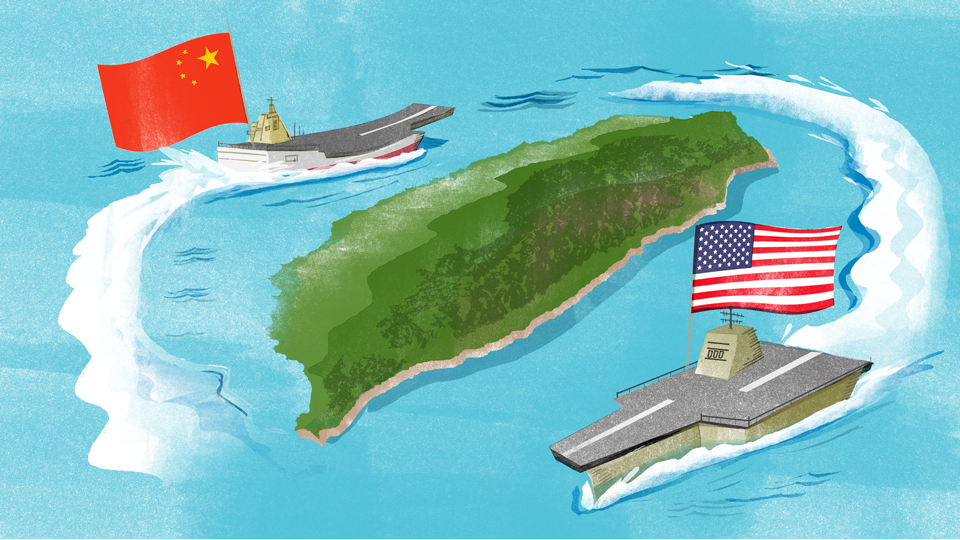
For example, if a politician says "We need to avoid China's instigation, not to stimulate China's government", the sentence can take on extreme meanings depending on how it's used. One media outlet might choose "We need to avoid China's instigation", which implies keeping distance from China and sounds positive.
Another media outlet might instead choose "not to stimulate China's government", which implies a closer relationship with China, carrying a negative connotation. If you only focus on certain media outlets, your opinions and thinking would be controlled without you realizing it.
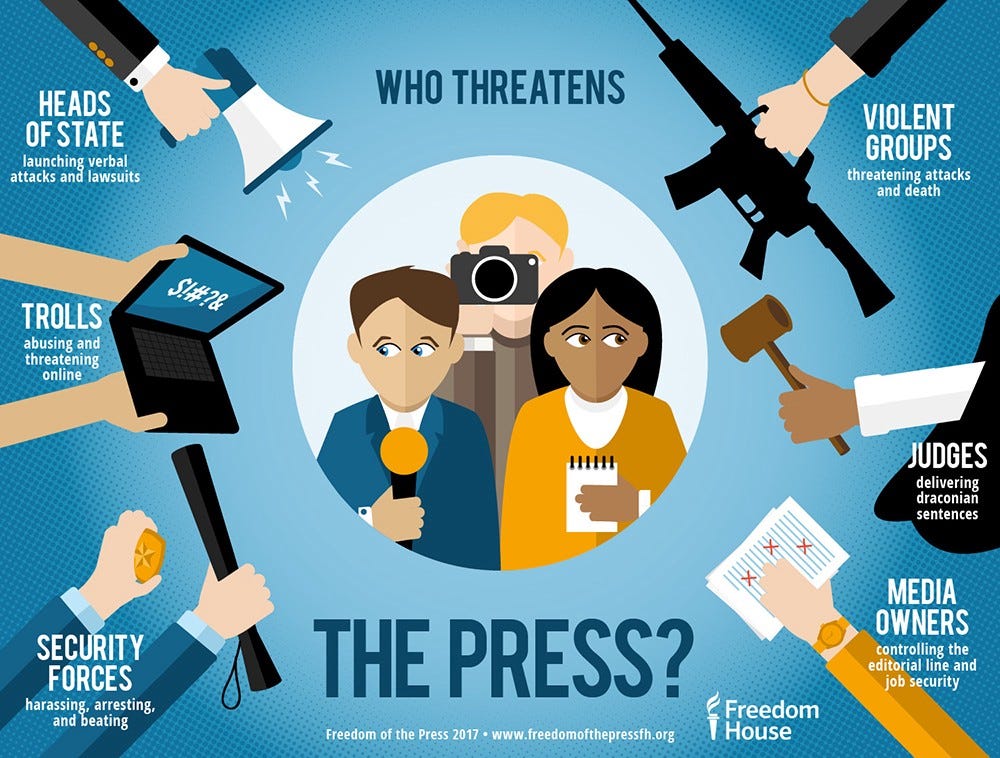
Similar situations are apparent all over the world. While the media can help us access a variety of information, it can also distort the facts. Why doesn't the media use the complete sentence? There are four reasons.
First is the time constraint. This is common in news reporting. A TV news segment lasts only 1 minute 30 seconds, so reporters sometimes need to cut sentences to fit more information, but they don't consider the impact.
Second, the media outlets have their own political opinions and deliberately choose meanings that favor them. This helps them control and consolidate their audience base.
The third reason is that some reporters lack sufficient experience and cannot determine which content is important. Finally, and most importantly, some media receive financial support from certain parties or groups. As a result, they cannot report negative news about their sponsors.
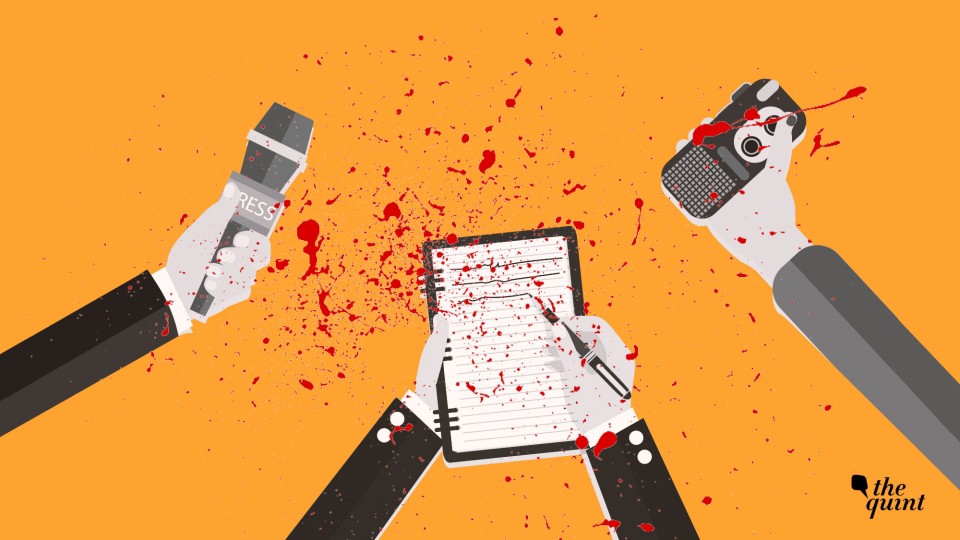
However, it's not always the worst situation. Since the internet connects us globally, we can find much content online and understand different cultures, economies, and perspectives. If we don't want to be controlled by the media, we need to learn how to gather information from multiple sources online and develop the ability to judge whether information is true or not. Don't dismiss differing viewpoints. Keep your own mind, sense of justice, and kindness. That will be fine.