

▲示意圖,非當事畫面/ShutterStock/版權所有,嚴禁轉載
Even something as simple as what you wear to work is an art form. Though this generation champions equality and fairness, constantly emphasizing "don't judge a book by its cover," the reality is that the business world is ruthlessly pragmatic about dress codes and uses appearance as a marker of professional status.
I still remember working as an intern at a TV station during university. Once, I rushed out the door and showed up in flip-flops because it was raining and I thought they'd be convenient for riding my scooter. I even bounced around the office corridors, but a senior colleague gave me a stern lecture: "Do you think the company is your home?" accompanied by a disdainful look. At the time, I thought they were being overly strict.
Or take fresh graduates who start in August when the weather is hot. I've seen people show up in shorts paired with a shirt, thinking it was cool and comfortable, forgetting that the workplace is different from a playground. Once in the office, the boss calls them over: "Are you here to do manual labor? We need people who dress professionally and appropriately, not like junior assistants! No shorts at work from now on." Many people are shocked and even resistant to such demands. I've even heard of male colleagues getting called out by the CEO for wearing cropped pants.
As I grew older, I realized that workplace dress codes exist because how you dress reveals your taste and refinement. Your posture and demeanor convey quality and presence—even if your abilities haven't fully caught up yet, your first impression should tell people "you have substance!"

When in Rome: Dress Codes Vary by Industry
Of course, different industries require different dress codes. A female engineer friend once shared: "I don't understand why my colleagues dress so elaborately. We're just sitting at computers all day typing away, without much interaction with others. It's baffling." Most people have the stereotypical image of engineers in flip-flops and shorts. Of course, that's just a stereotype. In fact, in the engineering industry, overly formal dressing can attract unwanted attention. That doesn't mean wearing a tank top, but rather dressing neatly—a blazer with trousers or a collared POLO shirt. Casual professionalism that projects competence works best.

Conversely, for senior managers or business development professionals who meet with clients, careful attention to appearance is essential. As a journalist who frequently attends important events—ministerial transitions, product launches, parliamentary sessions—I always wear a button-up shirt with a skirt or trousers, heeled shoes, and a blazer. Even in 38-degree heat, I wear long-sleeved jackets. This is because journalists must project professionalism and substance. Good dressing also sends the message that "you take this job seriously" and "you care about your personal image."
Also, if women wear skirts that are too short, there's always a risk of exposure. Definitely wear safety shorts or wear culottes—they're the safest option. Many times, journalists are out covering stories, and the wind can accidentally blow a skirt up. If your photographer colleague sees something, it won't help your reputation. Plus, journalists often take interview vans, and you might accidentally expose yourself when getting in or out. Regardless of whether the worker cares, taking preventive measures is the smartest way to protect your reputation.
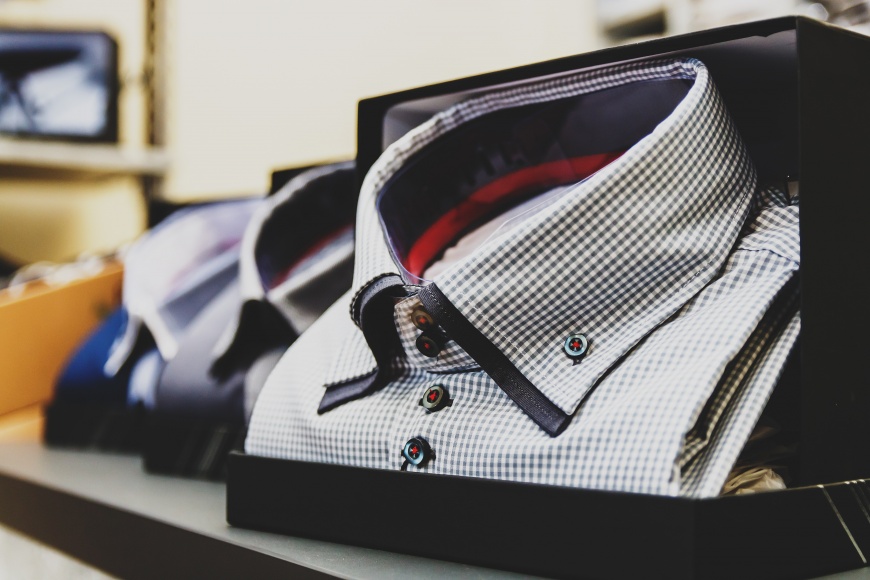
A junior colleague also shared that she once planned to attend an international trade show in a floral shirt and jeans. But then she thought more carefully—she was representing the company, and might attend different seminars or meet with clients. A floral shirt had too much of a vacation vibe and wasn't serious enough. So she changed into a striped outfit and slim trousers. She said she was glad she changed, because when she arrived, all the vendors and speakers were in sharp suits or formal wear. If she'd shown up in a floral shirt, she wouldn't have dared enter the venue—people might have mistaken her for a junior assistant.
Finally, though appearance matters and you can't show up to work looking disheveled every day, what the workplace truly values is your work ability, attitude, courtesy, and adaptability. Dress is just a bonus, not a substitute—wearing pretty clothes every day won't magically make your sales appear. Improving both your inner and outer self is what attracts real attention.