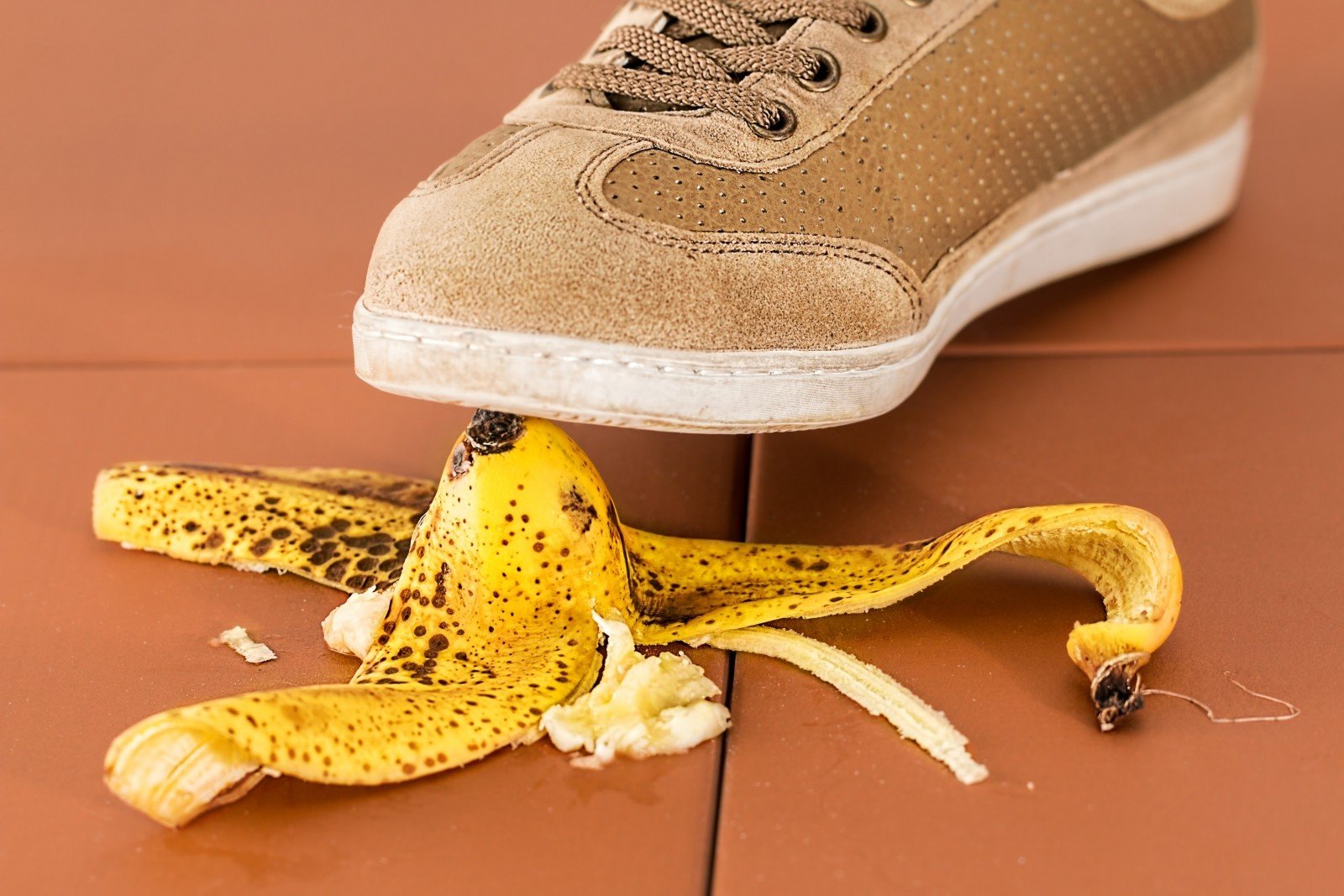
When working with others, "respect," "politeness," and "courtesy" have always been my guiding principles. But recently, I've discovered that these two basic principles can become tools for self-degradation with certain people.
The problem lies in the "mistaken" imbalance of power dynamics, leading the other party to believe they can do whatever they want, making unreasonable demands. The core issue stems from initial "politeness" and "courtesy." I'm the type of person who easily shows great respect toward others based on their position, age, experience, and other external factors. Of course, respect is warranted, but there are "adults" in the world who exploit this as a means of control.
Then I often feel an imbalance, thinking, "They're only older, so what's the big deal?" Questions like "Why was I so polite in the first place?" and "I'm not their tool" start bubbling up. But by the time I experience this "cognitive dissonance," it's already too late to salvage the situation.
I once heard a story from the education field. A young teacher started out being very kind to students, but he was so kind that the students began to lose respect for him. Eventually, he had to resort to punishment to maintain discipline, only to face stronger backlash—the students felt the teacher had "pretended to be nice at first." How could the teacher pretend to be nice and then shoot himself in the foot? Of course, the goal was mutual respect between teacher and student, but the students showed no appreciation for it.
This is what I think is the core problem with "courtesy." Of course, we can't blame others entirely for crossing our boundaries—most often, we simply haven't made our boundaries known. Because we tend to prioritize other people's matters, constantly worrying: "Will they be upset if I reply a bit late?" "Will it be disappointing if I suddenly say I need to go do something while we're chatting?" These worries often clash in my head, so I generally reply very quickly. Recently, I've been questioning whether this is actually self-sabotaging behavior.
Because it seems only I suffer the consequences. So how should I improve? I've divided this into psychological and behavioral aspects.
On the psychological side, I've recently been practicing gradually reducing my use of digital tools. To describe my phone addiction: my iPhone battery drops 50% in two hours, I scroll before bed until I'm drowsy before charging, and I rush to respond whenever a message appears.
"You have your own things to do too!" "Don't reply too quickly or they'll think you're too efficient." I've been receiving this feedback and advice recently, so I've started trying to focus more on myself, stepping away from screens. For example, when I pop out to a convenience store, I leave my phone behind. When my screen lights up, I flip it face-down. I've even switched my calendar from Google to a paper planner. Since writing articles requires a computer, I close LINE and Facebook, and keep my phone far away—adjusting my anxious tendency to consider everyone else first.
The behavioral aspect actually explores my own actions. I'm grateful to a colleague who, after listening to my thoughts, understood why I felt this imbalance and shared their own approach: "In recent projects, I've adopted a higher stance. Cases that used to take longer to communicate and launch are now completed in a week." This is real experience from a leader—neither servile nor arrogant, with clear goals.
Of course, shifting myself from a mistakenly perceived low position back to equal footing, and then stepping into a higher position, is a long journey. "This requires deliberate practice," which is a new challenge for me. I'm trying to stop doing thorough planning for others, even when I can. I'm learning to clarify who the principal party is and who the service provider is, communicating with equality and professionalism—refusing when necessary, explaining when needed. When I don't need to use honorifics, I simply use people's names instead of positioning myself as the younger, subordinate party. I shouldn't only show respect to those I admire. Consistency in attitude is what gives you credibility.
There's nothing wrong with politeness, but don't let people think you have no boundaries—or they'll crush you beneath their feet.