
Following up on "Yoyo Yeh" Appearing and Disappearing! When Netizens Defend "This Isn't Even a Sponsored Post!" That's Successful Word-of-Mouth Marketing, which discussed how word-of-mouth marketing is primarily about "topic packaging" and "word-of-mouth placement", with the main goal being "helping netizens immediately understand brand positioning and product pros and cons", followed by "maintaining discussion heat on the internet" and "making it easier for netizens to search for the article".
This time, let's talk about brands that become too obsessed with this goal, only to face criticism from netizens saying "Why can even she get a trial product?" and "Suddenly I don't think Brand X is classy at all."
Why does this happen?
Some brands, in pursuit of the aforementioned "word-of-mouth," distribute trial products generously to influencers and internet personalities, with thresholds potentially being follower counts of 10,000 to 20,000 or above, or having connections to the fashion industry. Brands view any blogger or influencer they consider "popular" or "trending" as potential marketing targets.
Or they believe they can reach different consumer groups through different types of influencers. However, such "casting a wide net" often ignores the brand's original mission...
How does this relate to the brand's original mission?
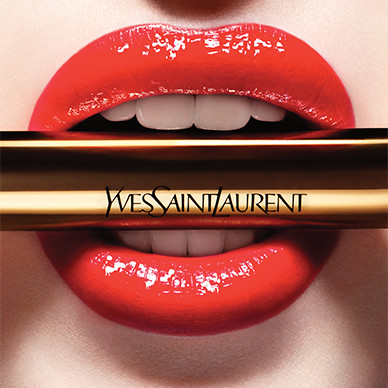
For example, "Chanel gives women freedom, Saint Laurent gives women power." Both of these brands consistently give people the impression of being "luxurious" and "fashionable." As a result, socialites wearing these products feel they're on the cutting edge of fashion. But if such PR samples are given to internet personalities who, in netizens' eyes, are just ordinary people, it naturally triggers a comparison mindset. (This is merely an example, not directed at either brand.)
This comparison mindset is much like the "social comparison theory" in communication studies. The core of this theory revolves around the idea that "only through comparison in a social context can one understand one's own value and abilities and make accurate self-assessments." Therefore, social comparison allows people to clearly understand the gaps between themselves and others, discover their strengths, and identify their shortcomings. If netizens believe an influencer's status doesn't warrant such treatment, they naturally perceive the brand as lowering its own standards, resulting in negative reviews instead.
Therefore, brands should maintain their "original mission" and seek "placement targets" that align with their brand philosophy, rather than, in the rush to adapt marketing strategies for the internet age, hastily distributing trial products to increase buzz, only to stumble in the process.